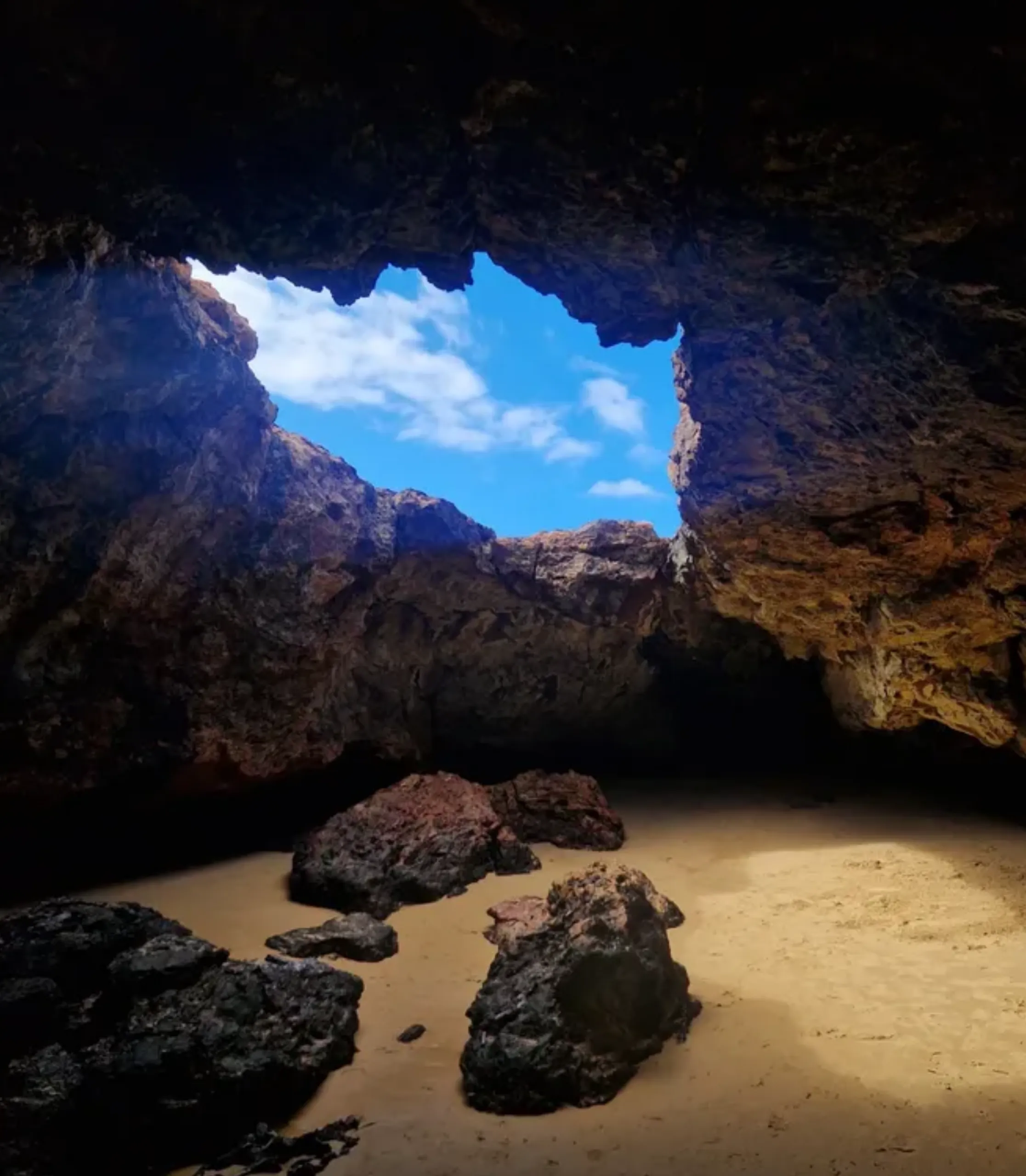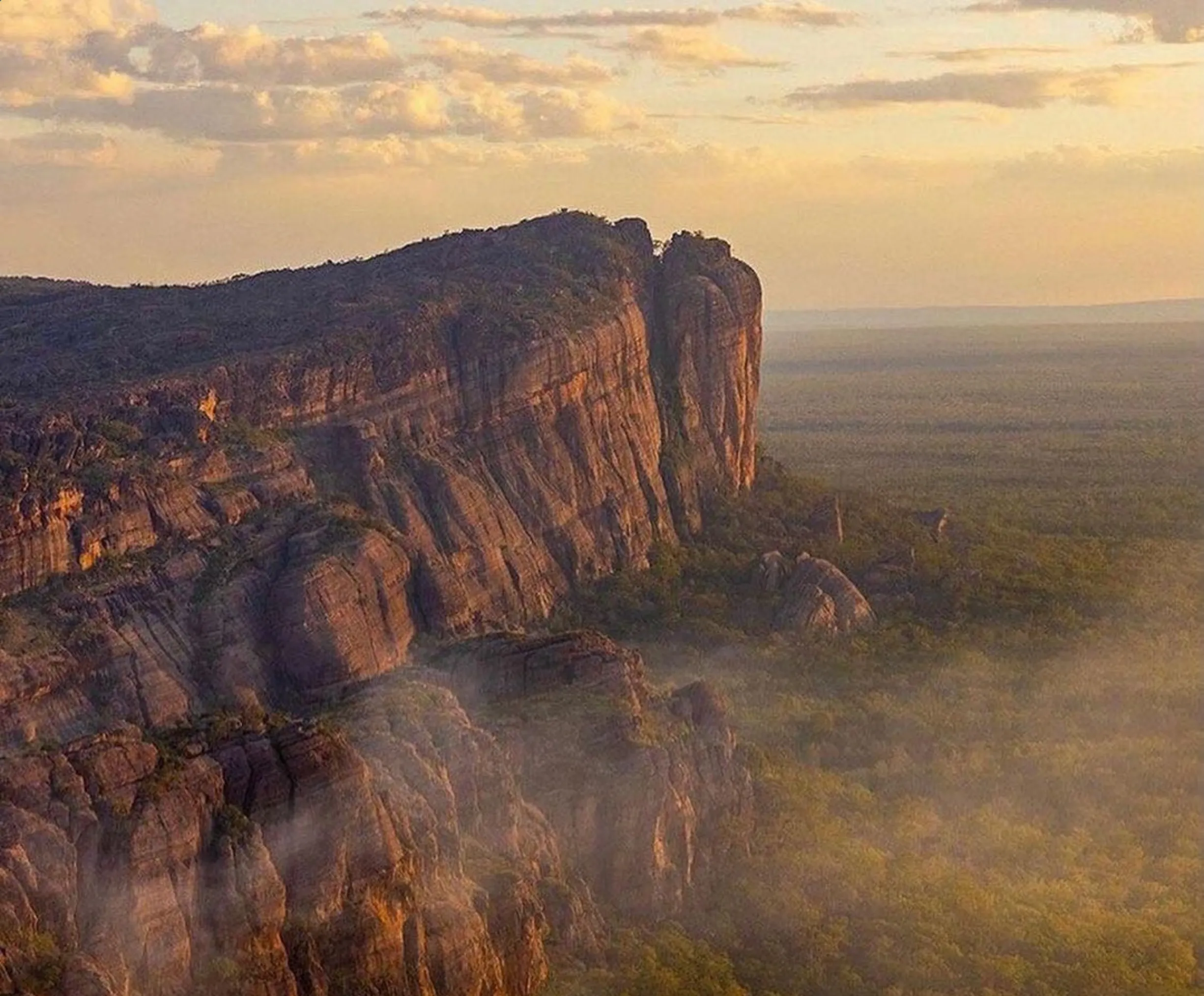
Kakadu National Park in the Northern Territory of Australia is one of the most beautiful and ecologically diverse places in the country. Spanning almost 20,000 square kilometers this UNESCO World Heritage Site has natural wonders that will blow your mind. The traditional owners have looked after the cultural values, natural environment and biological diversity for thousands of years.
Contents
Waterfalls

Kakadu has some of Australia’s most impressive waterfalls. Jim Jim Falls and Twin Falls are the most famous, dropping from towering rugged escarpments into crystal clear plunge pools. In the wet season these waterfalls are at their most powerful and breathtaking. Many visitors stay at Mercure Kakadu Crocodile Hotel in Jabiru, a legendary hotel that’s a great base to explore these natural wonders.
Rock Formations
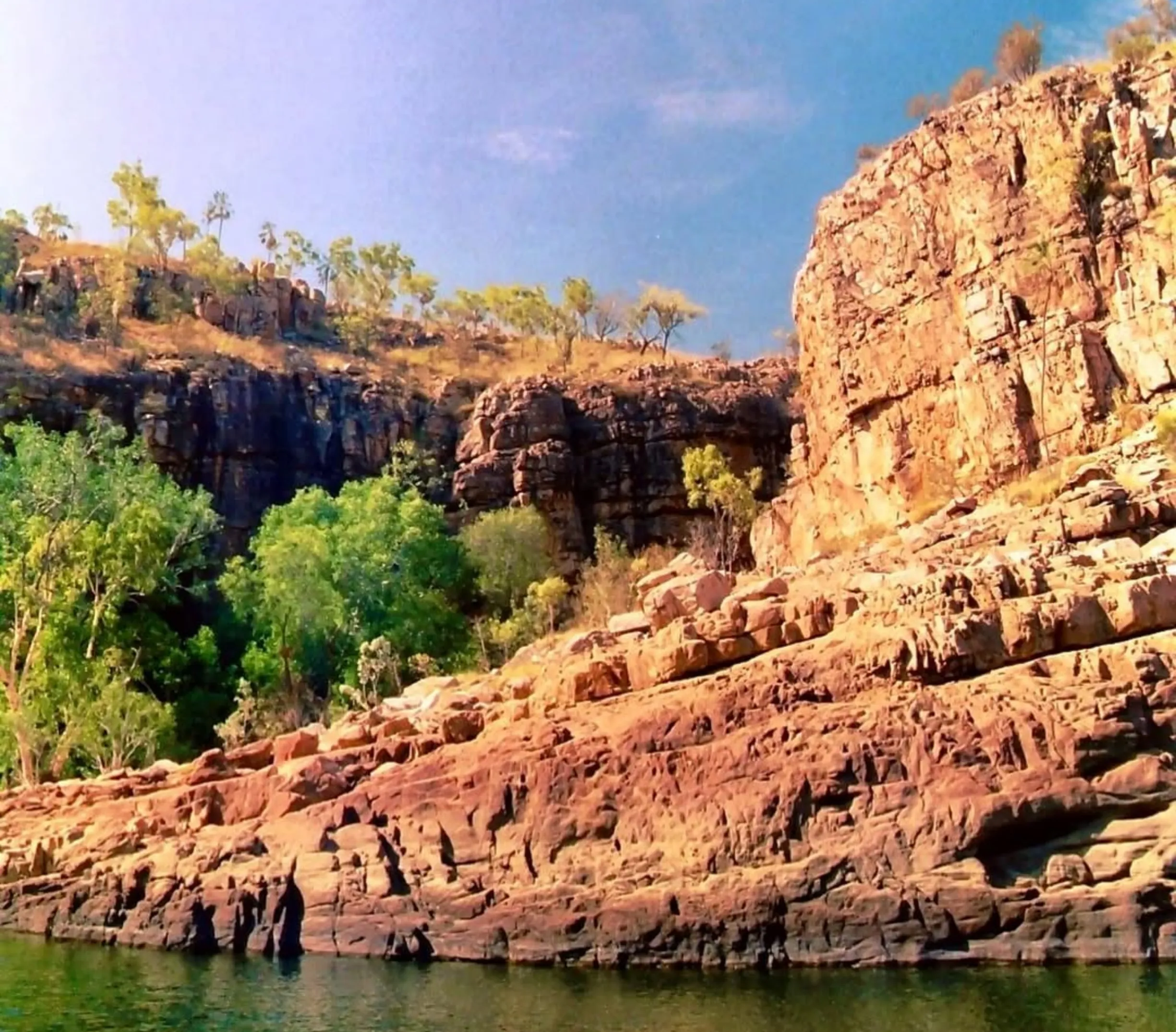
The park has unique and ancient rock formations that have been shaped over millions of years. The Arnhem Land Escarpment and Arnhem Land plateau are striking geological features that run across the park, with dramatic cliffs and views. Another significant rock formation is Nourlangie Rock, home to famous Aboriginal rock art sites and rock art galleries, with ancient rock art and rock carvings dating back over 20,000 years. A 2 Day Kakadu tour is a great way to see these rock formations and have time to appreciate their cultural and historical significance.
Wetlands and Floodplains
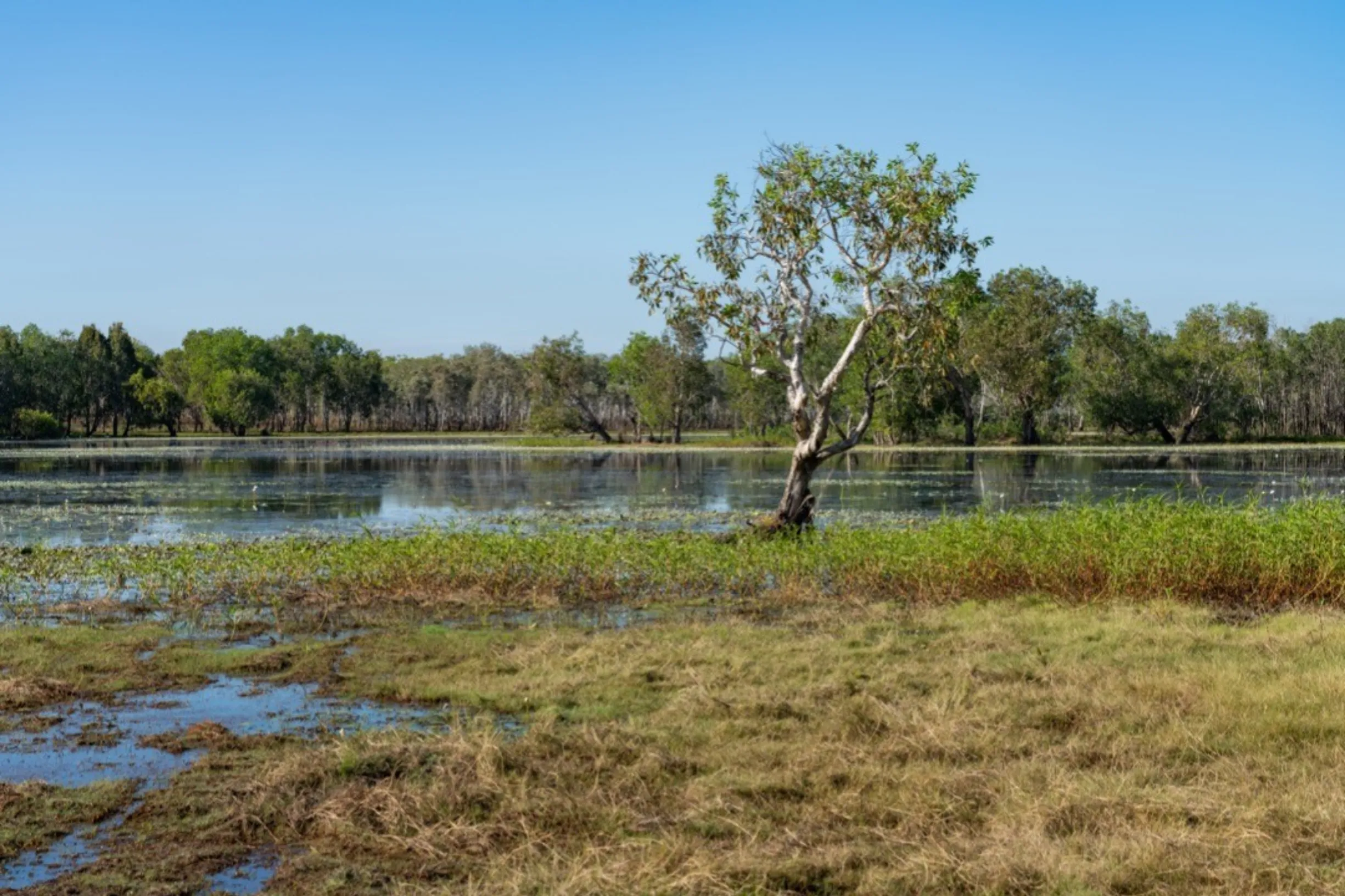
Kakadu’s wetlands are some of the richest and most biologically diverse in the world. The Yellow Water Billabong, part of the major river systems, is one of the park’s most famous wetland areas, home to saltwater crocodiles, Asian water buffalo and an incredible variety of Australian bird species. The floodplains change dramatically between wet and dry seasons, showcasing the park’s ever changing beauty. Visitors on a Darwin to Kakadu day trip often stop at these wetlands to see the wildlife in its natural habitat.
Diverse Wildlife

The park is home to an amazing array of wildlife, including over 280 bird species, 117 reptile species and 60 mammal species. Iconic animals include black wallaroo, freshwater crocodile and feral animals like wild horses and pigs. Birdwatchers will love seeing chestnut-quilled rock pigeons, blue-winged kookaburras and migratory birds.
Monsoon Rainforests
Kakadu has monsoon rainforests hidden in its gorges and escarpments. These pockets of green thrive in the valleys and gorges, home to unique plants and animals like Allosyncarpia ternata. Places like Maguk (Barramundi Gorge) and Motorcar Falls have swimming holes surrounded by rainforest.
Seasonal Flood Cycles
One of the most interesting things about Kakadu is the seasonal changes. There are two main seasons: wet season (Gudjewg) and dry season (Wurrgeng) and the in between periods. The wet season brings heavy annual rainfall and sometimes tropical cyclones, the dry season reveals vast floodplains, river beds and entire catchments making it easier to explore the park’s big landscapes.
Aboriginal Cultural Sites
As well as natural wonders Kakadu is also a place of huge cultural heritage and cultural resources. The park has some of the world’s oldest known Aboriginal rock art sites at Nourlangie, Ubirr and Nanguluwur. These archaeological sites have deep incisions, Aboriginal rock paintings and depictions of traditional Aboriginal life. Managed by Parks Australia and the Aboriginal Traditional Owners, the sites are part of Kakadu’s cultural landscape and are protected by the Commonwealth of Australia.
Park Management
You can learn more through information signs and park rangers who offer guided tours. A park pass is required to enter the park and helps with conservation. The park is also monitored for invasive species like Mimosa pigra that threatens native vegetation. Swimming areas have crocodile warning signs and some areas are closed during the cool season due to environmental concerns.
Visitor Experience
Kakadu is a 1.5 hour drive from Darwin International Airport and Darwin Airport, with nearby accommodation options such as Anbinik Kakadu Resort, Mercure Kakadu Crocodile Hotel and Holiday Parks. If you want to explore beyond Kakadu, the Alligator Rivers, Adelaide River, Mary River and regions into Western Australia offer more adventure.
Conclusion
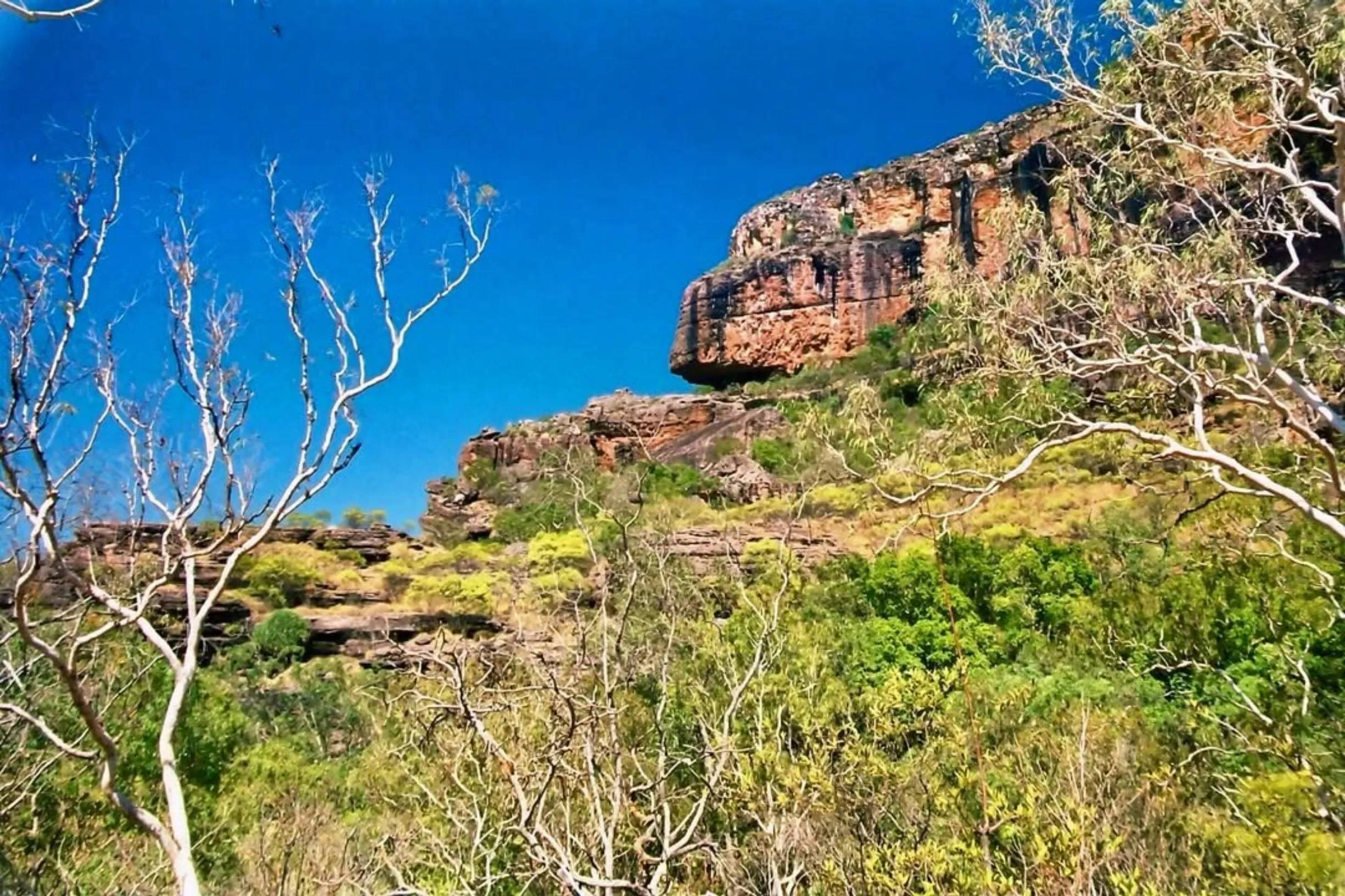
Kakadu National Park is a land of breathtaking natural beauty where waterfalls flow, wildlife roams and ancient landscapes tell a story of time. Whether you’re exploring its wetlands, hiking its rugged escarpments or learning about its deep cultural custodianship, Kakadu will leave you in awe.
FAQ
When is the best time to visit Kakadu National Park?
Best time to visit is during the dry season (May to October) when it’s cooler and most of the park is open. But the wet season (November to April) is amazing for lush landscapes and waterfalls.
How do I get to Kakadu National Park from Darwin?
Kakadu is about a 3 hour drive from Darwin via the Arnhem Highway. Many visitors do a Darwin to Kakadu day trip, or longer tours such as the 2 Day Kakadu tour for a more in depth experience.
Are there crocodiles in Kakadu National Park?
Yes, saltwater crocodiles and freshwater crocodiles live in the rivers and wetlands. Always obey crocodile warning signs and only swim in designated safe areas.
What accommodation is available in Kakadu?
There are many options including Mercure Kakadu Crocodile Hotel, Anbinik Kakadu Resort, Holiday Parks and campsites for those who prefer to rough it.
Do I need a pass to enter Kakadu National Park?
Yes, a park pass is required for entry and helps support park conservation and maintenance. You can buy a pass online or at the visitor centre within the park.