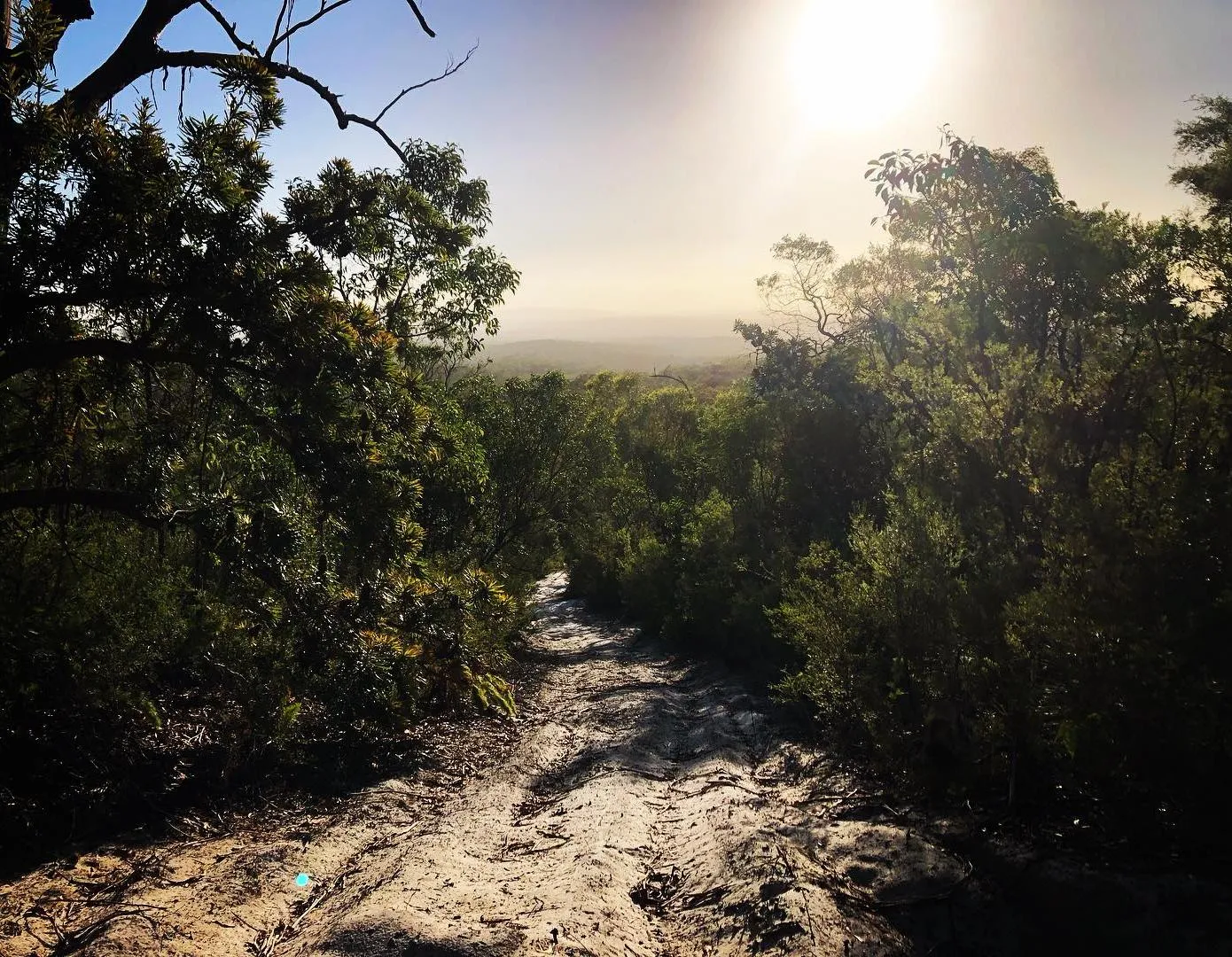
Ask most travellers what comes to mind when they think of the Australian outback, and chances are you’ll hear “Uluru.” And fair enough — the giant red monolith rising out of the desert is as iconic as they come. But if you reckon Uluru is just a big rock in the middle of nowhere, you’re selling yourself (and the land) short. So why Uluru is more than just a rock?
I’ve been lucky enough to take Uluru tours more times than I can count — in all seasons, all weathers, and with all sorts of characters in tow. And every time, I come away with something new. A lesson, a story, or just a moment of silence that hits different under that endless desert sky.
So, let’s strip away the postcard version and dig into what makes Uluru more than just a rock. Because trust me — it’s not about the size, the selfies, or the sunset snaps. It’s about connection.
Contents
A Living Cultural Landscape
Uluru sits in the traditional lands of the Anangu people, who’ve been caring for and connected to this Country for tens of thousands of years. To call it sacred isn’t quite strong enough — Uluru is a living cultural landscape with deep cultural values and spiritual significance.
Every crease, cave, and crack holds cultural significance, often tied to sacred sites and Dreaming stories passed down by direct descendants of the Tjukurpa. Some stories can be shared with visitors; others are kept within Anangu Law.
When you visit, you’re not just seeing a geological wonder — you’re stepping into a place rich with Tjukurpa. That’s the Anangu word for the law, culture, and Dreaming stories that shape the world. You’ll spot signs asking you not to photograph certain sacred sites. Respect that. It’s not about being strict — it’s about protecting stories that don’t belong to us.
The Australian government now recognises the area’s cultural heritage and has returned ownership of the land to its traditional owners, who manage the park jointly with Parks Australia.
If you’ve ever walked the base with a local guide or joined a cultural tour, you’ll know the difference it makes. You start to see beyond the rock, to hear the language of the land. One of my most memorable visits was on a small group Uluru tour with Autopia Tours — passionate guides, early starts, and time to soak it all in.
The Rock That Changes Colour (and Mood)
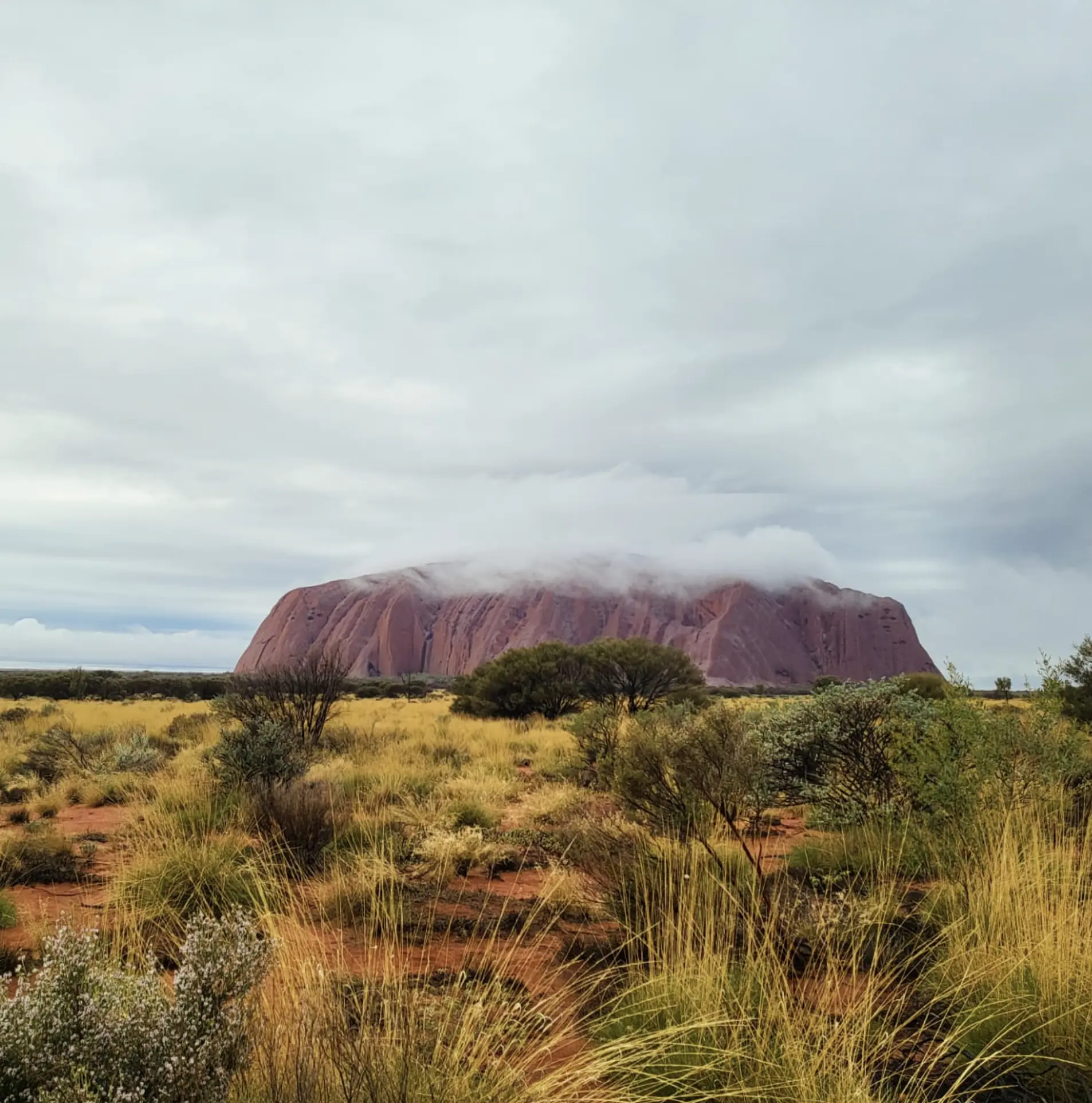
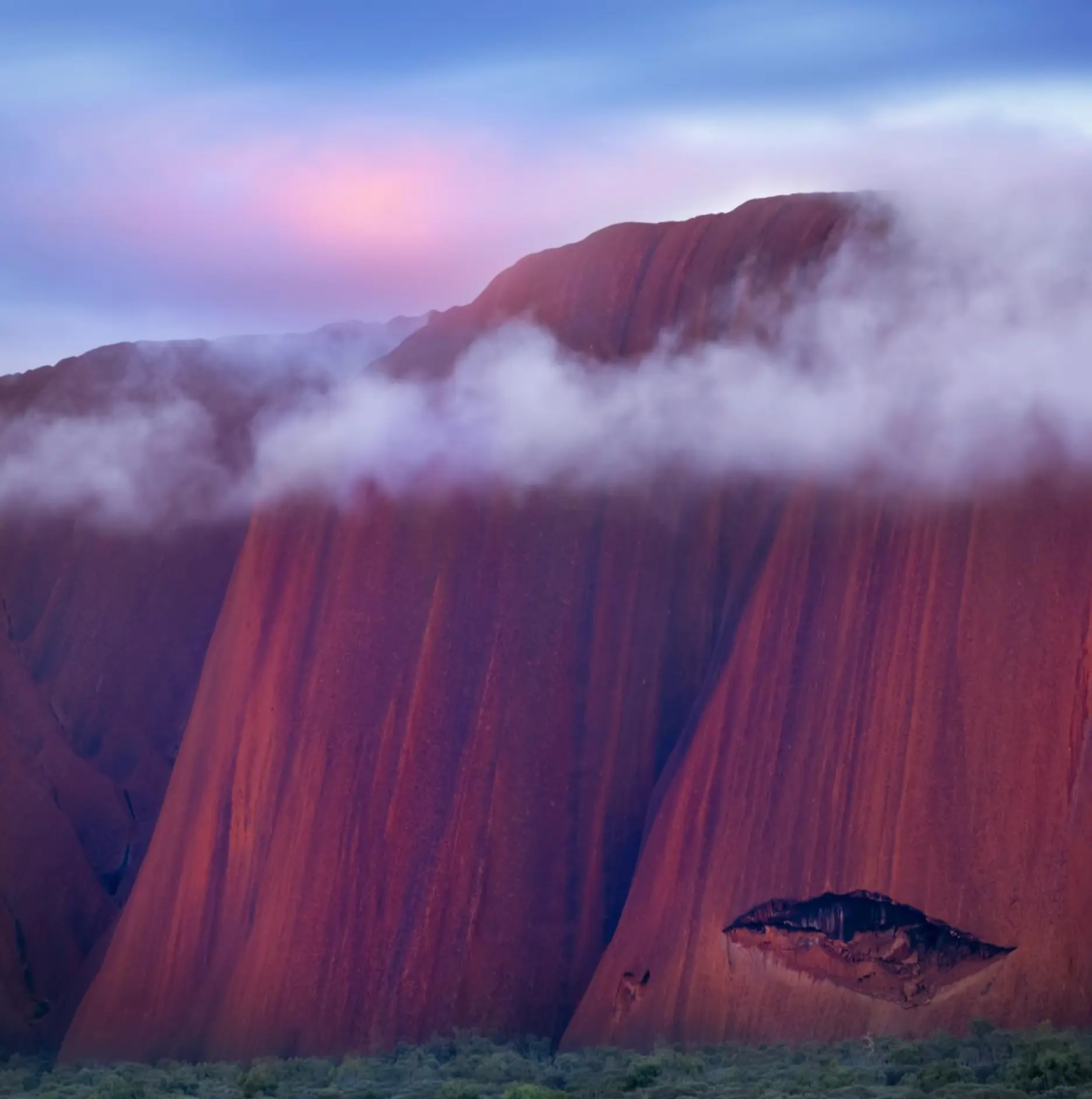
Yes, Uluru turns all sorts of hues at dawn and dusk — blazing orange, deep purple, rusty red. But those colour shifts aren’t just good for the ‘gram. They are moments where the desert breathes, where time slows down.
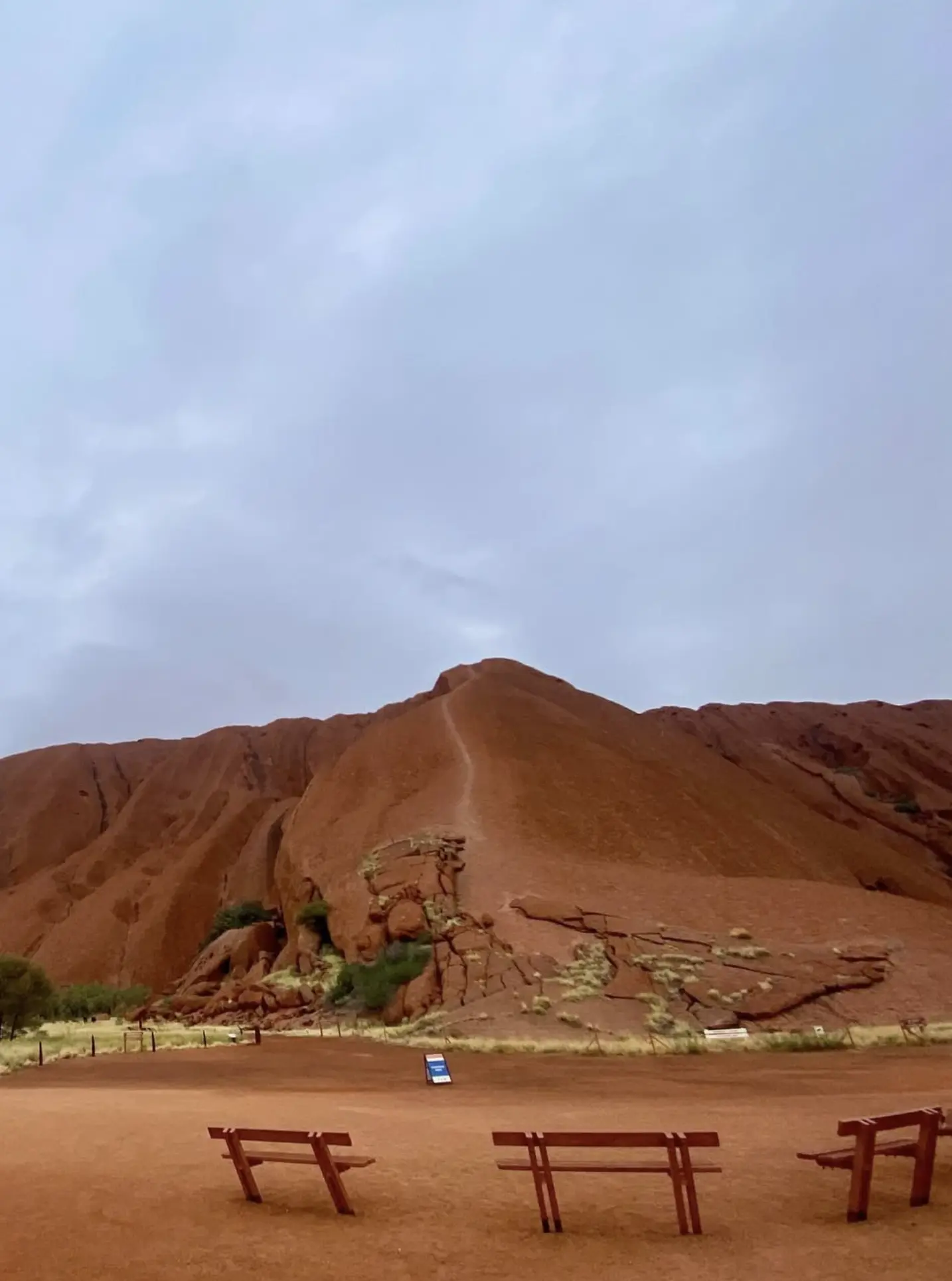
In the midday sun, it’s a harsh giant. In the early morning, it’s soft and sleepy. And when storm clouds gather in summer, it’s a brooding sentinel, ancient and alive. After heavy rain, you might even see waterfalls pouring down its flanks — a rare but moving sight.
If you can, stay a few days. Watch it under different skies. Camp nearby and wake up before first light. That’s when Uluru really speaks. Some Autopia Tours itineraries include sunrise viewings and base walks — worth every bit of your early wake-up.
The Desert Is Full of Life
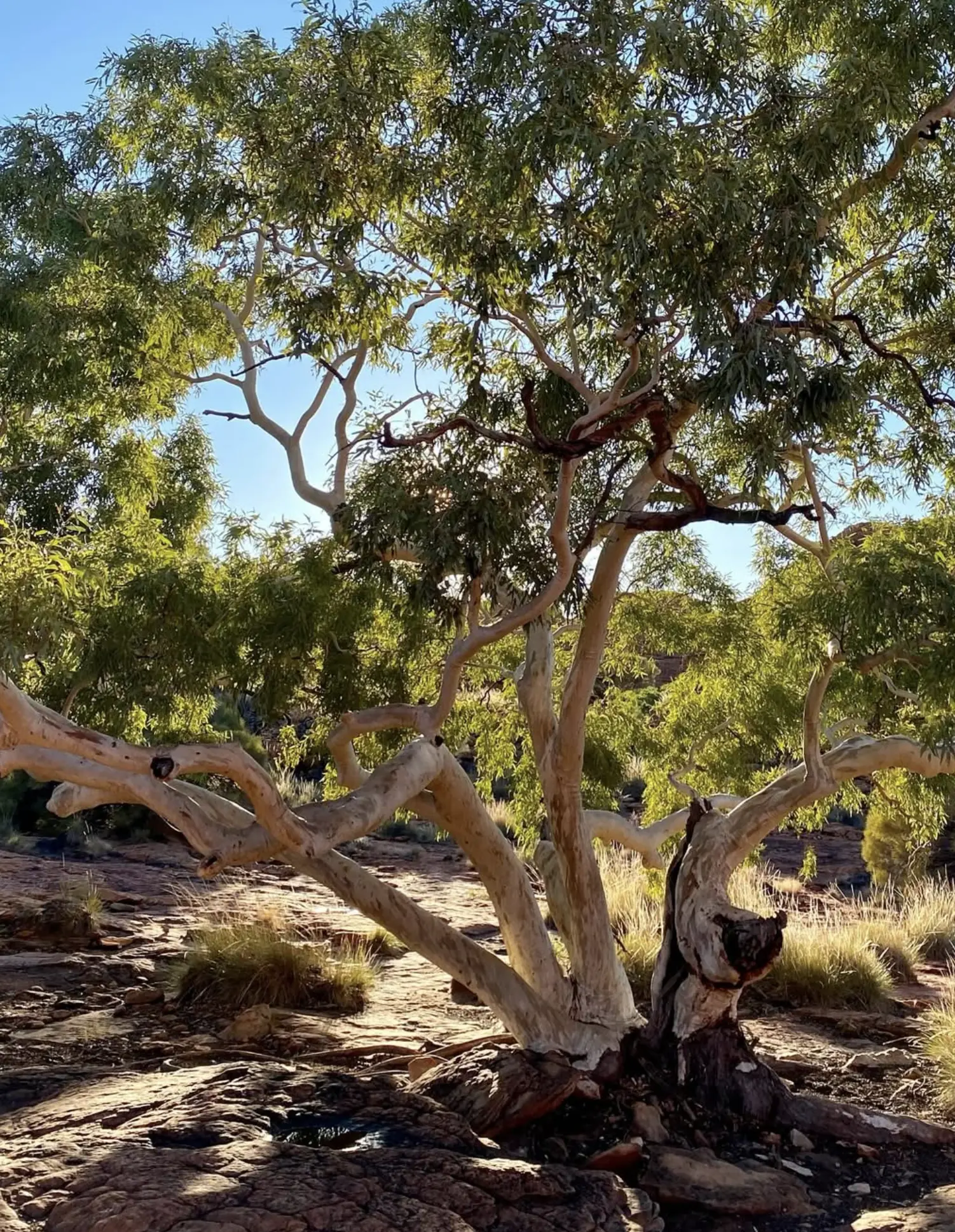
Think there’s nothing out here but red dirt? Think again. The land around Uluru is teeming with desert-adapted flora and fauna. From tiny thorny devils skittering across the track to ghost gums clinging to life, there’s life everywhere if you slow down.
Day roosting sites hide birds and reptiles like the desert skink. The landscape is dotted with endemic plants that have adapted to the hot desert climate, and you’ll also find some exotic plant species introduced over time.
The soil? Originally sand, now compacted by time and pressure into rock. But when the rains come, the place transforms. Mud after rain becomes food stores for burrowing creatures and native grasses. Head to the nearby Kata Tjuta (The Olgas) for deeper walks through Walpa Gorge or Valley of the Winds. You’ll catch glimpses of rock wallabies, perentie lizards, maybe even a wedge-tailed eagle circling overhead.
Also worth exploring is Kings Canyon — a few hours’ drive from Uluru but well worth the early start. Watarrka National Park boasts huge rock formations, rim walks, and waterholes tucked into sandstone.
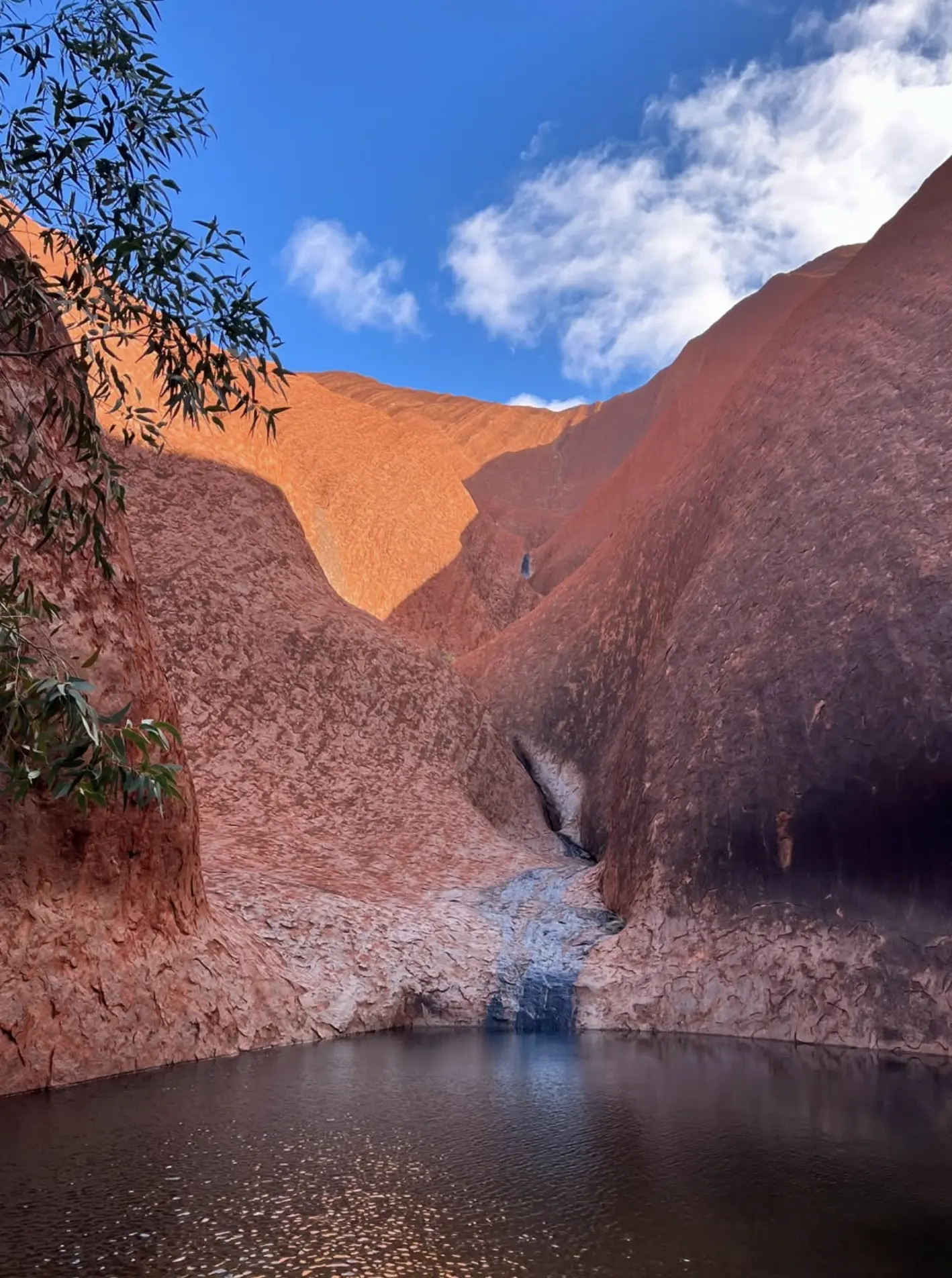
And don’t miss the Mutitjulu Waterhole — especially just after rain. It’s a hidden oasis that feels worlds away from the sunbaked plains. Some of the multi-day itineraries by Autopia Tours link Uluru with both Kings Canyon and Kata Tjuta, making the most of your desert adventure.
A Giant Story in Stone
Geologically speaking, Uluru is a masterpiece. It’s one of the world’s largest monoliths, standing 348 metres high and extending several kilometres below the surface. It formed during the creation period over 550 million years ago from layers of sand and rock compressed over time.
Its rock type — arkose — is rich in feldspar and comes from the erosion of ancient mountains. Over millions of years, geological processes folded and tilted these layers, exposing them to the elements and forming what we now know as Uluru. Those huge rock formations nearby? Kata Tjuta, shaped by the same ancient forces.
It’s not just a rock — it’s a record of time. A place with both natural values and conservation significance.
Practical Planning Tips
If you’re heading out to Uluru, here’s the good oil to make your trip smoother:
- Best time to visit: April to October. Summer (Nov–March) gets brutal — we’re talking 40+ degrees, mozzies, and storms. Stick to the cooler months for hiking and sunset watching.
- How to get there: Fly into Yulara (Ayers Rock Airport) or drive in via the Lasseter Highway. It’s sealed all the way, but you’ll need to fuel up at Erldunda or Curtin Springs.
- Accommodation: From swags at Ayers Rock Campground to fancy digs at Longitude 131° — there’s a spot for every budget. Book early in peak season.
- Park pass: Required for Uluru-Kata Tjuta National Park. You can buy online and it’s valid for 3 days.
- Respectful travel: Don’t climb the rock. It’s been closed to climbers since 2019, in line with Anangu wishes. Stick to the tracks, listen to local guides, and leave no trace.
- Tourist facility tip: Yulara village is your main hub. It’s got everything from cafes to info centres to ranger talks — a good launchpad for learning before exploring.
If you’re coming from the Red Centre hub, there are plenty of tours from Alice Springs to Uluru — some straight-shooters, others more scenic. A 2-day Uluru Tour is a great way to balance the iconic sights with enough time to appreciate them.
Final Thought: Listen to the Land
Uluru isn’t a bucket list item. It’s not a stopover on the way to somewhere else. It’s a teacher — if you’re willing to listen.
So, ditch the checklist travel and come ready to walk slowly, rise early, and learn something that won’t fit in a photo. I’ll be the one brewing billy tea by the track, swatting flies, and grinning like it’s my first visit — because in a way, it always is.
Got a yarn from your time at Uluru? Pop it in the comments — I’m always up for a good story over the fire.
The heat is extreme, and storms can make walking tracks risky if you must come in the wet. Plan early morning tours from Alice Springs to Uluru carry loads of water.
FAQ
Can I still climb Uluru?
Nope — climbing was permanently closed in 2019 out of respect for the Traditional Owners, the Anangu people. And honestly, the base walk is far richer.
What’s the difference between Uluru and Kata Tjuta?
Uluru is a single sandstone monolith, while Kata Tjuta is a group of 36 domed rock formations about 40km away. Both are part of the same national park and hold deep cultural and spiritual significance.
Are there guided tours available?
Yes — and they’re well worth it. You can join Anangu-led walks, sunrise/sunset viewing tours, and even camel rides or bike loops around the base. Autopia Tours runs several flexible packages if you’re looking to link Uluru with other nearby icons.
Is it safe to visit in summer?
It’s safe if you’re prepared, but it’s not ideal. The heat is extreme, and storms can make walking tracks risky if you must come in the wet. Plan early morning outings and carry loads of water.
How long should I stay?
Minimum 2-3 nights to really get a feel for the place. More if you want to explore Kata Tjuta, Kings Canyon, take a cultural tour, and not rush your sunrises. Consider a longer Uluru tour from Alice Springs if you’ve got time to spare — you’ll cover more ground with less stress.