So, what is someone who does permanent makeup called? I meet clients every week in Melbourne who get confused by terms like “brow tattooist,” “cosmetic specialist,” and “microblading artist.” The truth is, the title matters — because it tells you if the person holding the tattoo machine is trained, licensed and safe.
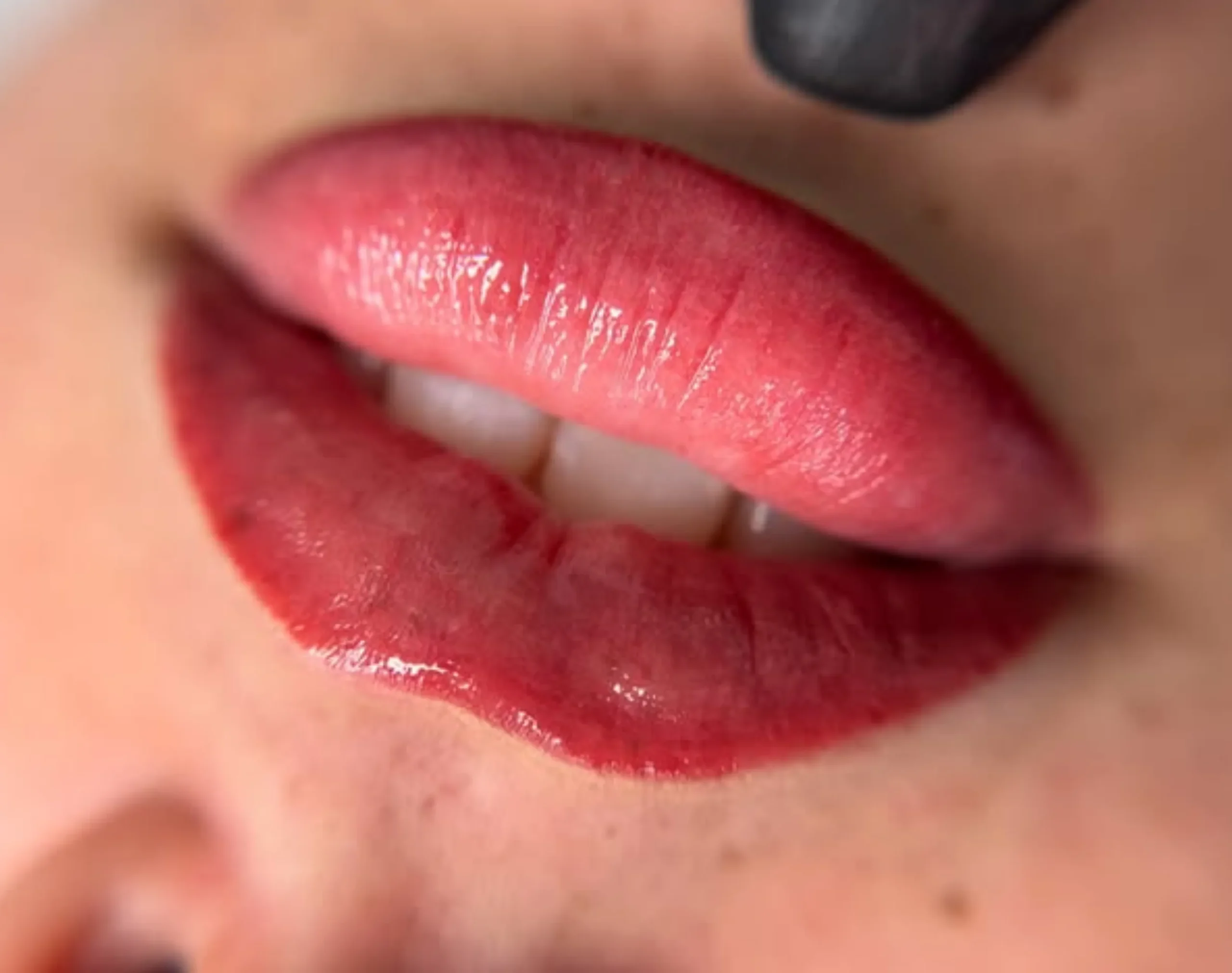
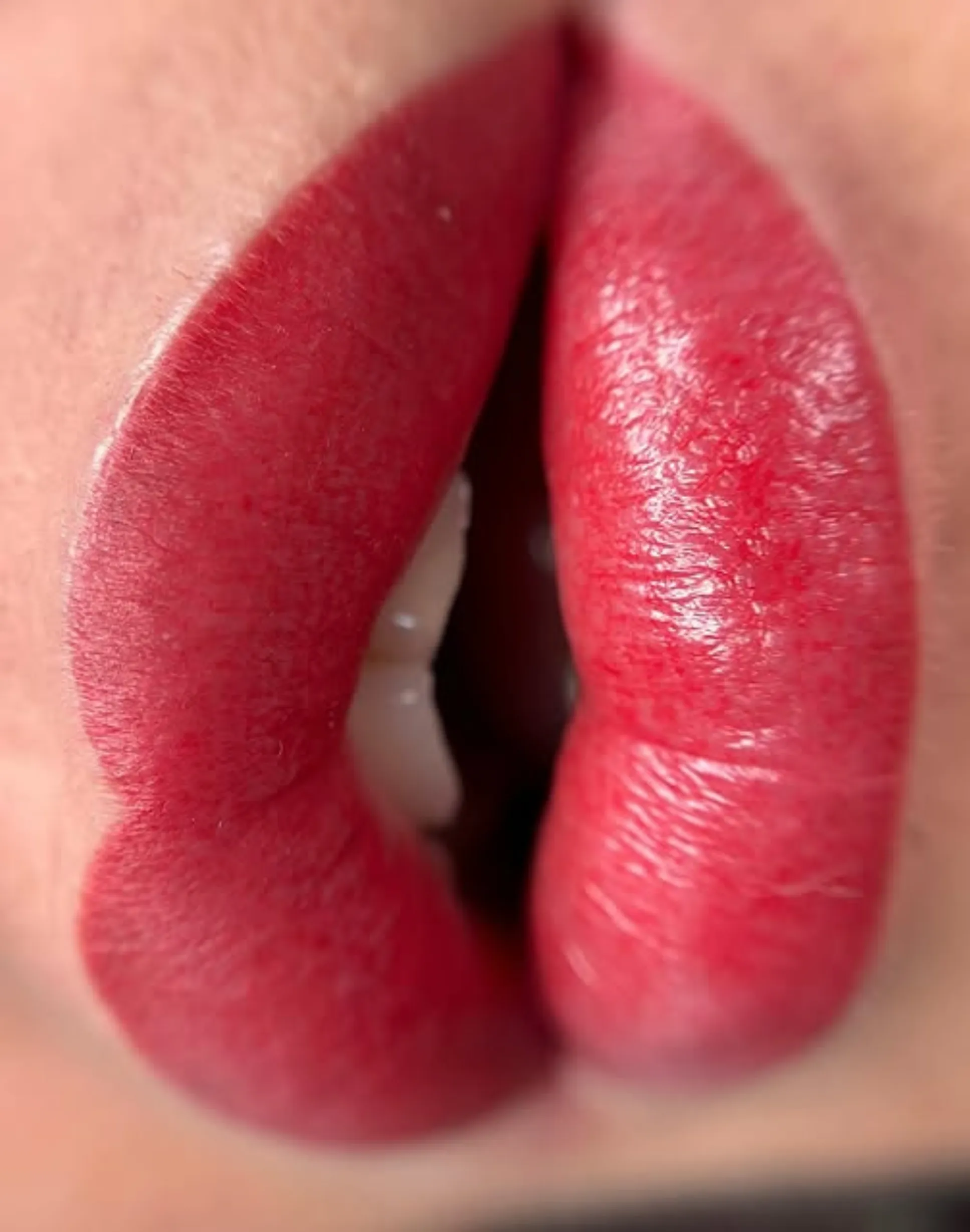
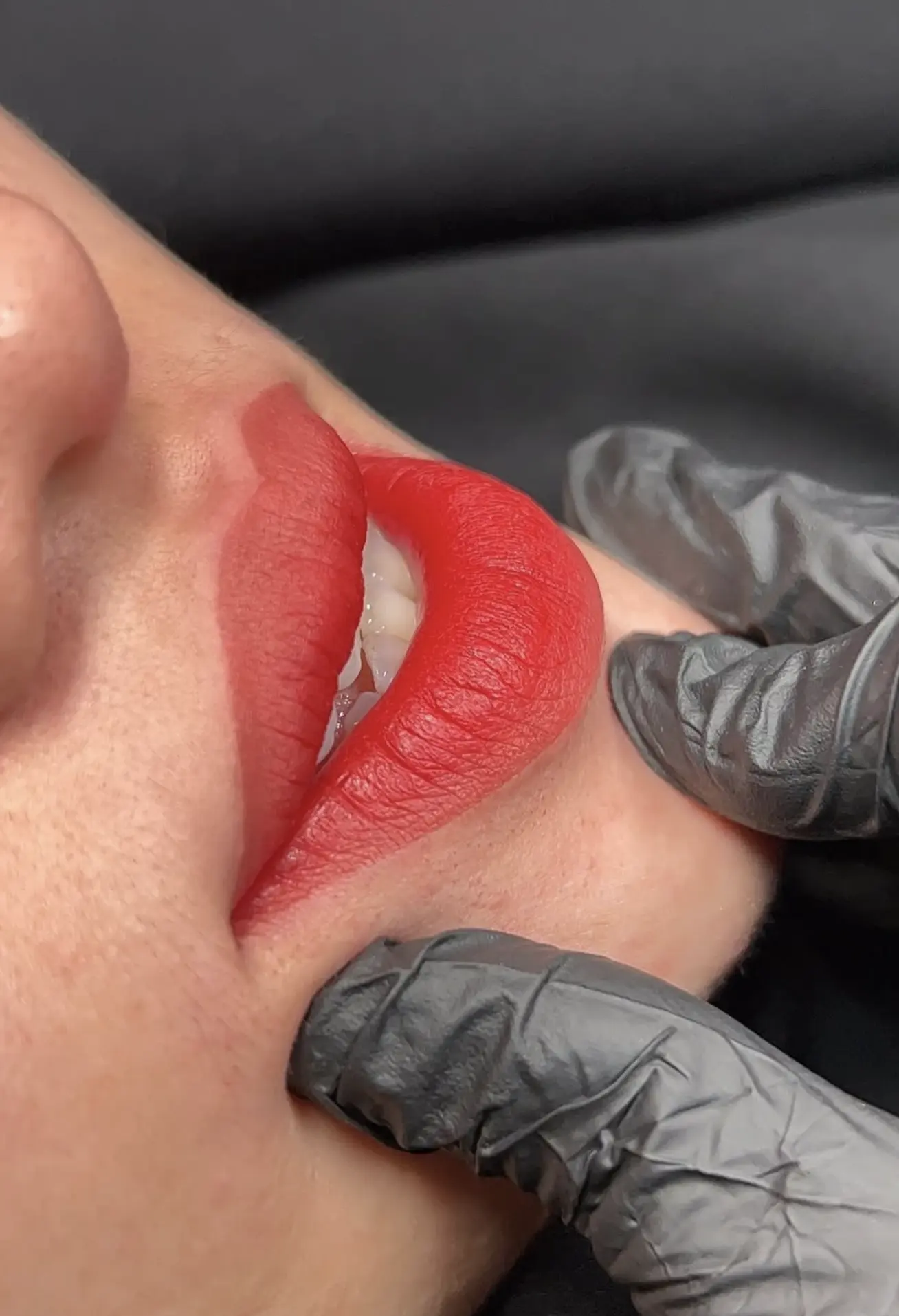
At Face Figurati Cosmetic Tattoo Studio, I always explain that the most common and trusted title is Cosmetic Tattoo Artist. But there’s more to it — especially if you’re thinking of getting your first permanent eyeliner, Lip Blush Tattoo, or even considering a cosmetic tattoo course yourself.
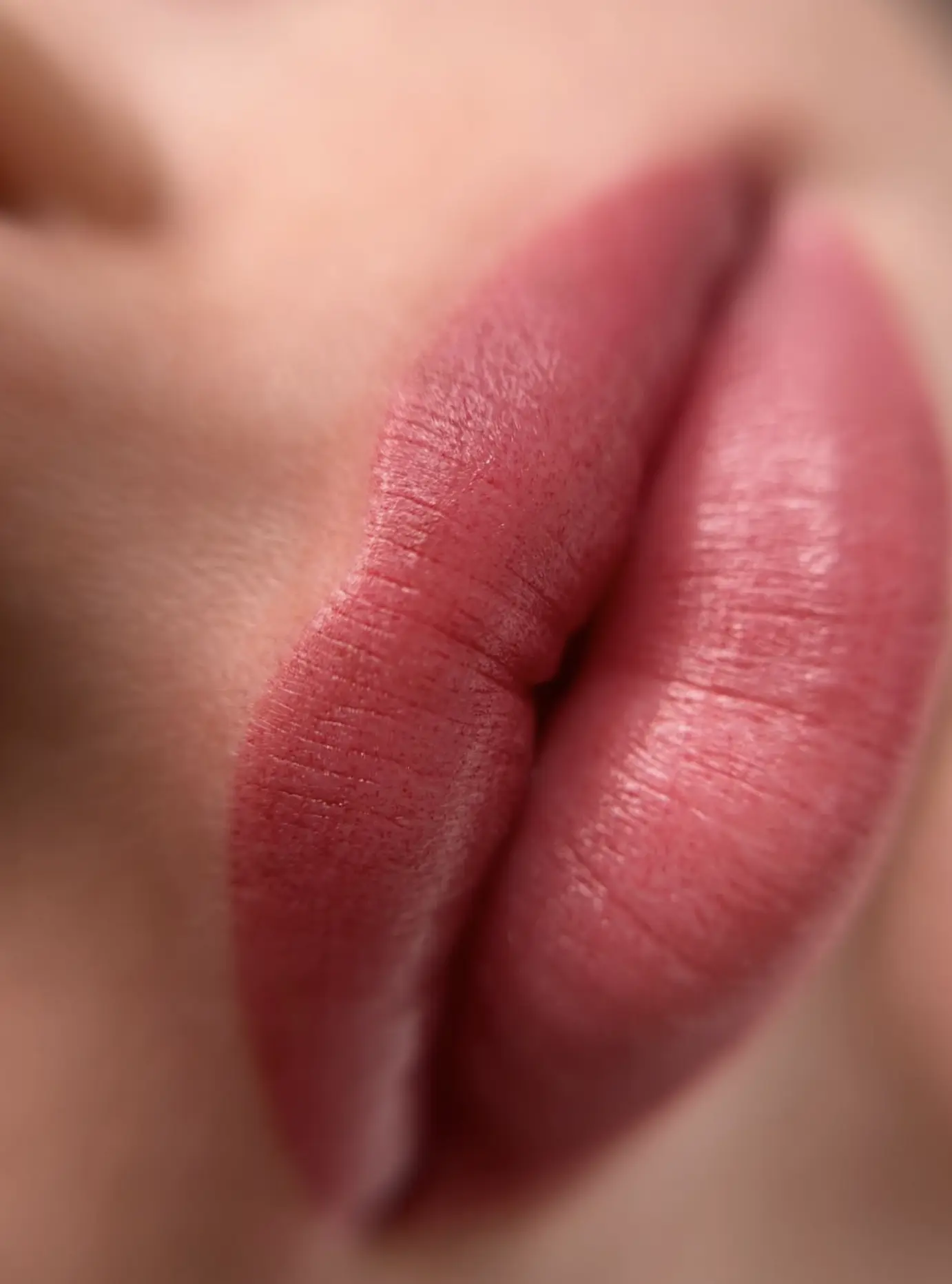
Contents
The Many Titles in Cosmetic Tattooing
In the beauty industry, different titles pop up depending on training and specialisation. Let’s break it down:
| Title | Where You’ll Hear It | What It Means |
|---|---|---|
| Cosmetic Tattoo Artist | Most common in Australia | A certified professional who performs cosmetic tattooing treatments like brows, lips, eyeliner, and even scar camouflage tattoo. |
| Permanent Makeup Artist (PMU Artist) | Global communities & social media | Same as a cosmetic tattoo artist, often linked to Permanent makeup course. |
| Tattoo Artist | Body art studios | Uses tattoo guns and inks designed for deep body tattoos — not suitable for delicate areas permanent cosmetics. |
| Microblading Artist | Brows-focused salons | Trained in eyebrow microblading with a handheld tool. Many start with eyebrow tattoo courses. |
| Paramedical Tattoo Specialist | Clinics & hospitals | Offers treatments like 3D nipple tattoos, areola reconstruction, and Scar Camouflage Tattoo post-surgery. |
| Cosmetic Specialist | Training institutes & beauty clinics | A broader title, sometimes tied to training institutes or the Society of Permanent Cosmetic Professionals. |
In Melbourne, when you’re booking semi-permanent makeup, always check that your artist is a certified professional with up-to-date infection control training.
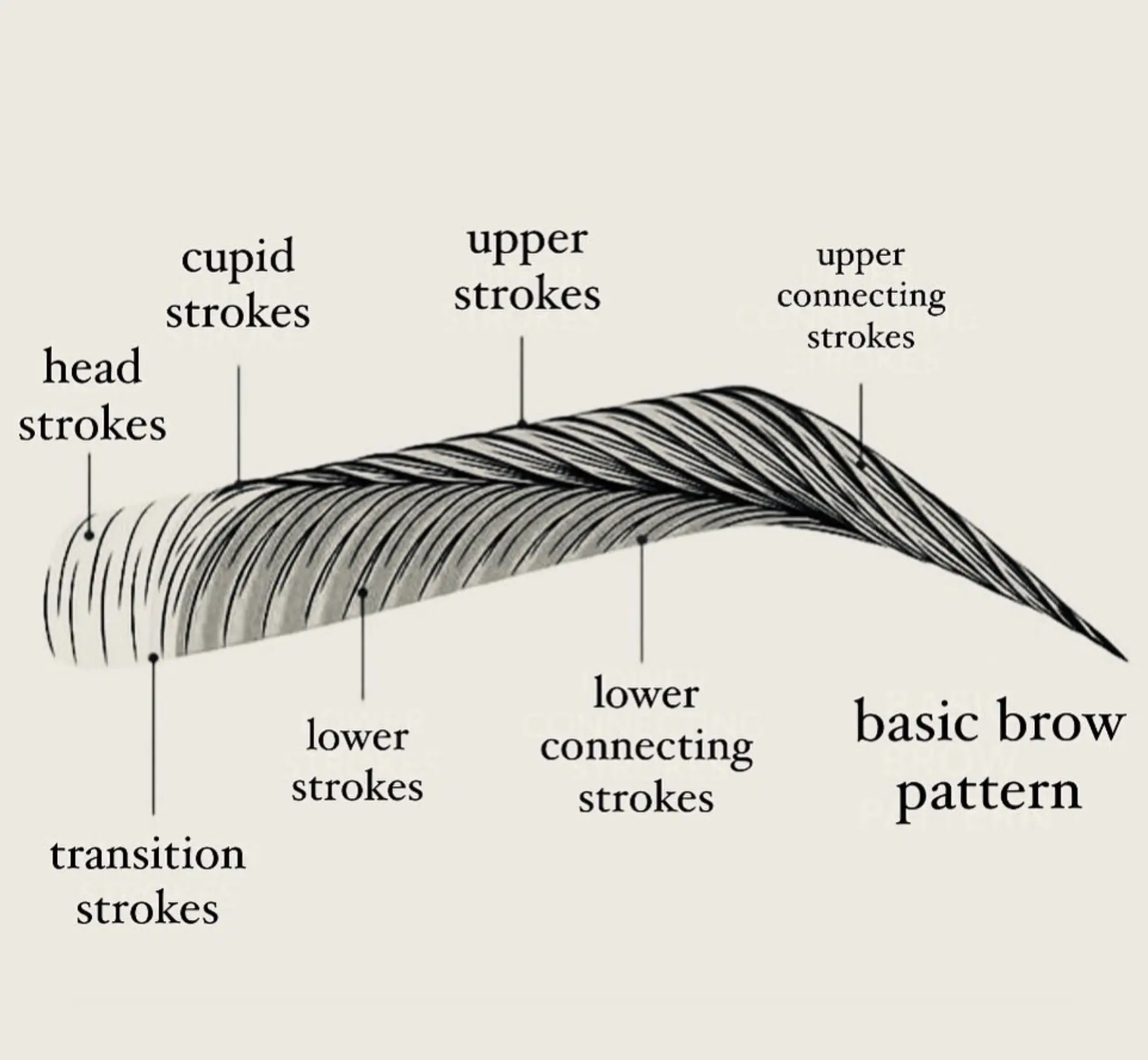
Why the Title Matters More Than You Think
When clients ask what is someone who does permanent make up called, what they’re really asking is:
- Can I trust this person with my face?
- Do they use safe pigments like iron oxide instead of body tattoo ink?
- Are they trained to handle risks like allergic reactions or pigment migration?
Because permanent makeup is implanted into the dermal layer of the skin, it’s not as simple as a beauty treatment. A skilled artist understands:
- Skin tone & undertones (crucial for colour matching)
- Tattoo pigment science — why iron oxide pigment is safest for fading
- Use of a tattoo machine or PMU machine specifically designed for facial areas
- Proper use of numbing creams and topical anaesthetic
- Long-term outcomes, including how scar tissue or eyelid injuries affect healing
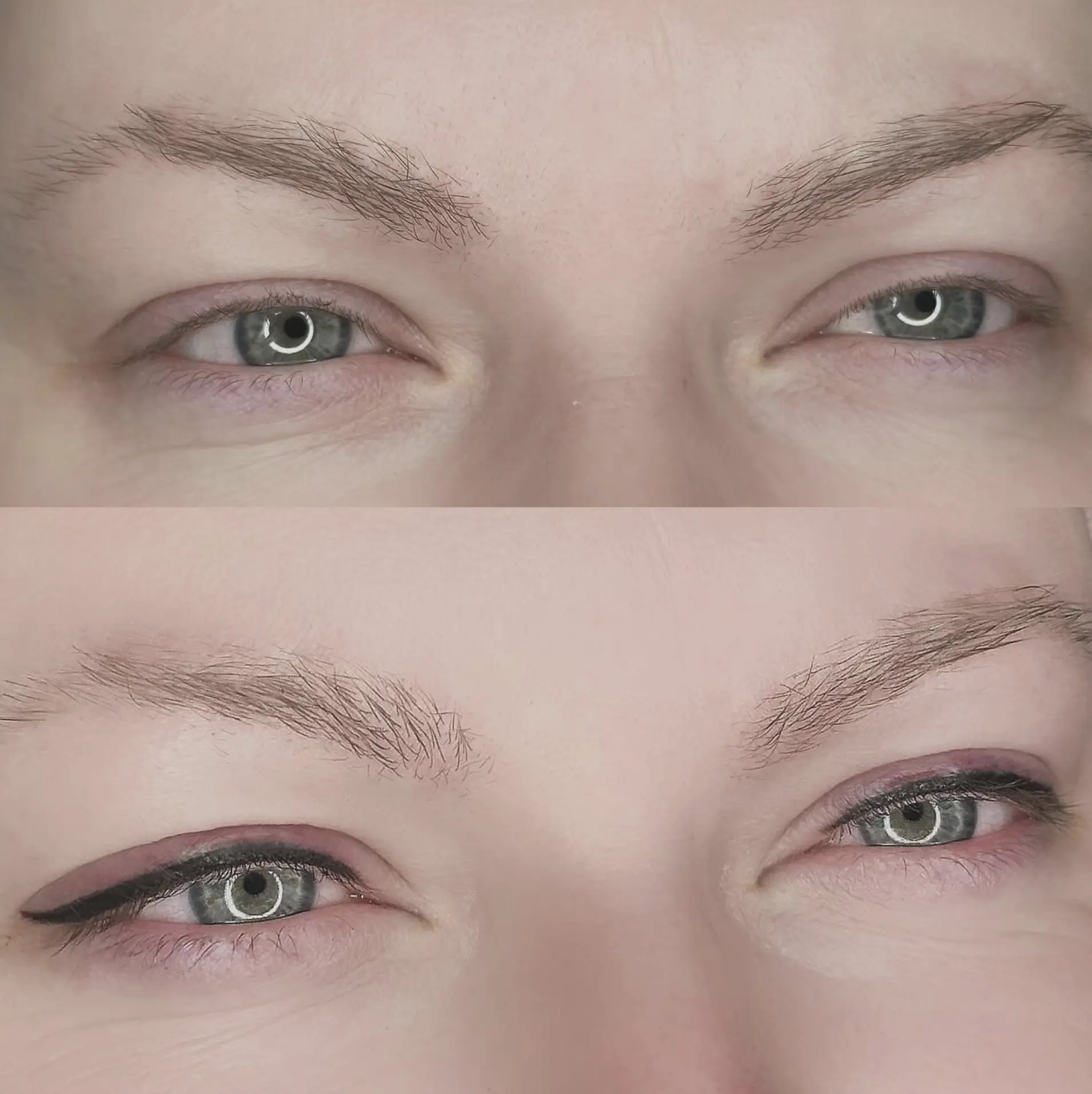
Melbourne’s Permanent Makeup Trends in 2025
The demand for permanent cosmetics in Melbourne has skyrocketed in the past five years. A 2025 industry report showed:
- Ombre Powder Brows account for 45% of all brow tattoo appointments.
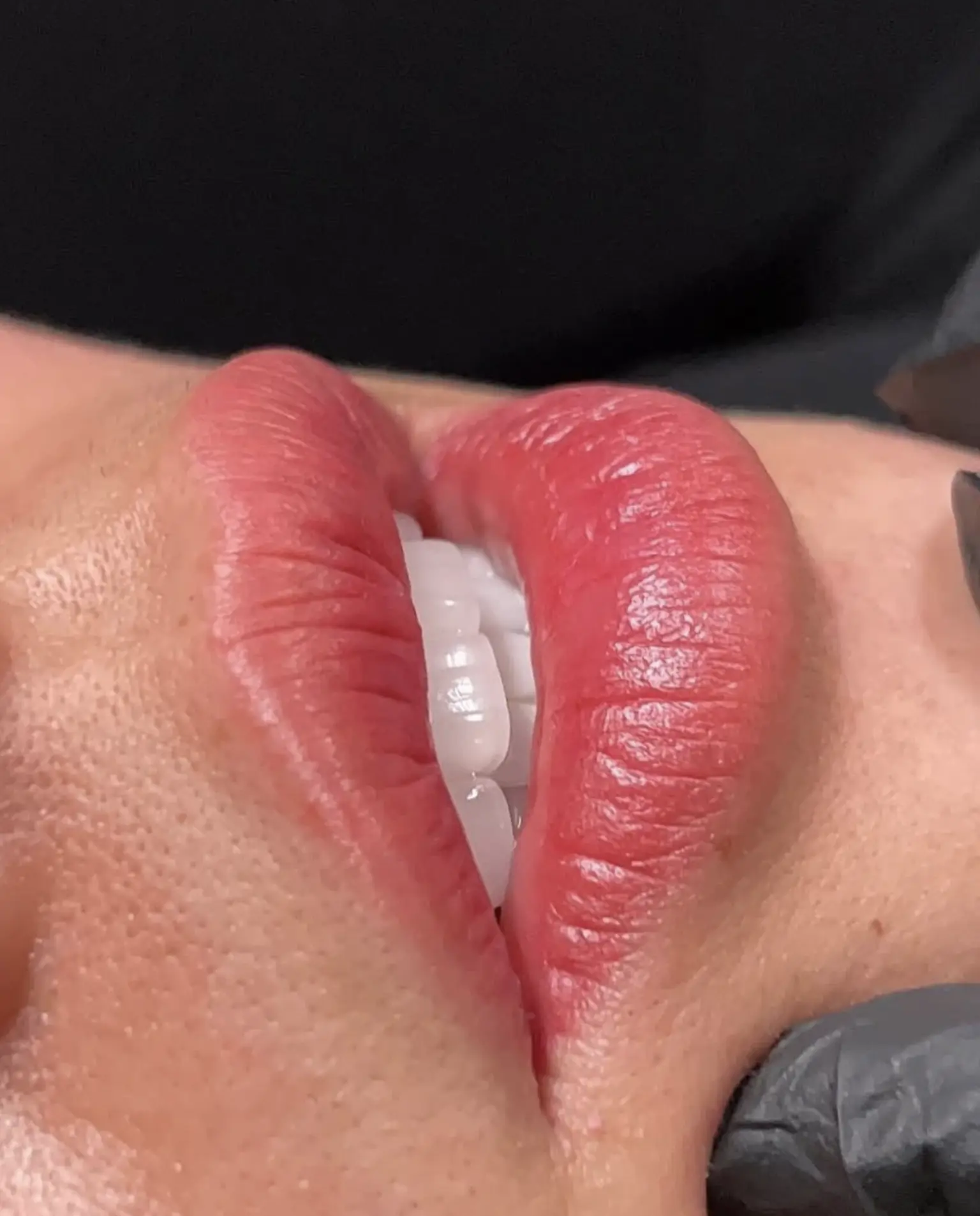
- Lip Blush Tattoo services rose by 24% in the last two years.
- Lash Line Enhancement Tattoo and Winged Eyeliner Tattoo are especially popular with women aged 30–50.
- Freckle tattoos and beauty mark tattoos are trending among younger clients for a playful, natural aesthetic.
- Medical tattooing — such as Scar Camouflage Tattoo and areola reconstruction — is growing thanks to referrals from plastic surgeons and dermatologists.
Fun fact: Many of the new artists leading these trends recently completed advanced cosmetic tattoo courses right here in Melbourne.
Cosmetic Tattooing vs Traditional Tattooing
Let’s bust a common myth: cosmetic tattooing is not the same as body tattooing.
- Tattoo guns used for body art deposit ink deep into the dermis with long-lasting tattoo ink.
- Tattoo machines or PMU machines for semi-permanent makeup work shallower in the skin, using iron oxide pigment or organic blends designed to fade gracefully.
Body tattoo artists may not be trained in infection control for facial areas or in dealing with paramedical tattoo work like Scar Camouflage Tattoo.
That’s why enrolling in proper permanent makeup courses is essential for anyone crossing over from body tattooing.
Training: How Artists Enter the Industry
If you’ve been inspired by your own treatment or want to join this thriving field, you’ll need formal training.
Popular Training Paths
- Cosmetic tattoo courses in Melbourne cover theory, pigment science, and machine work.
- Eyebrow tattoo courses are often the first step for beginners.
- A full permanent makeup course will usually include brows, lips, eyeliner, and paramedical applications.
- Many courses align with the Society of Permanent Cosmetic Professionals standards.
- Good training institutes in Melbourne provide professional photography skills too, so new artists can build a portfolio of healed results.
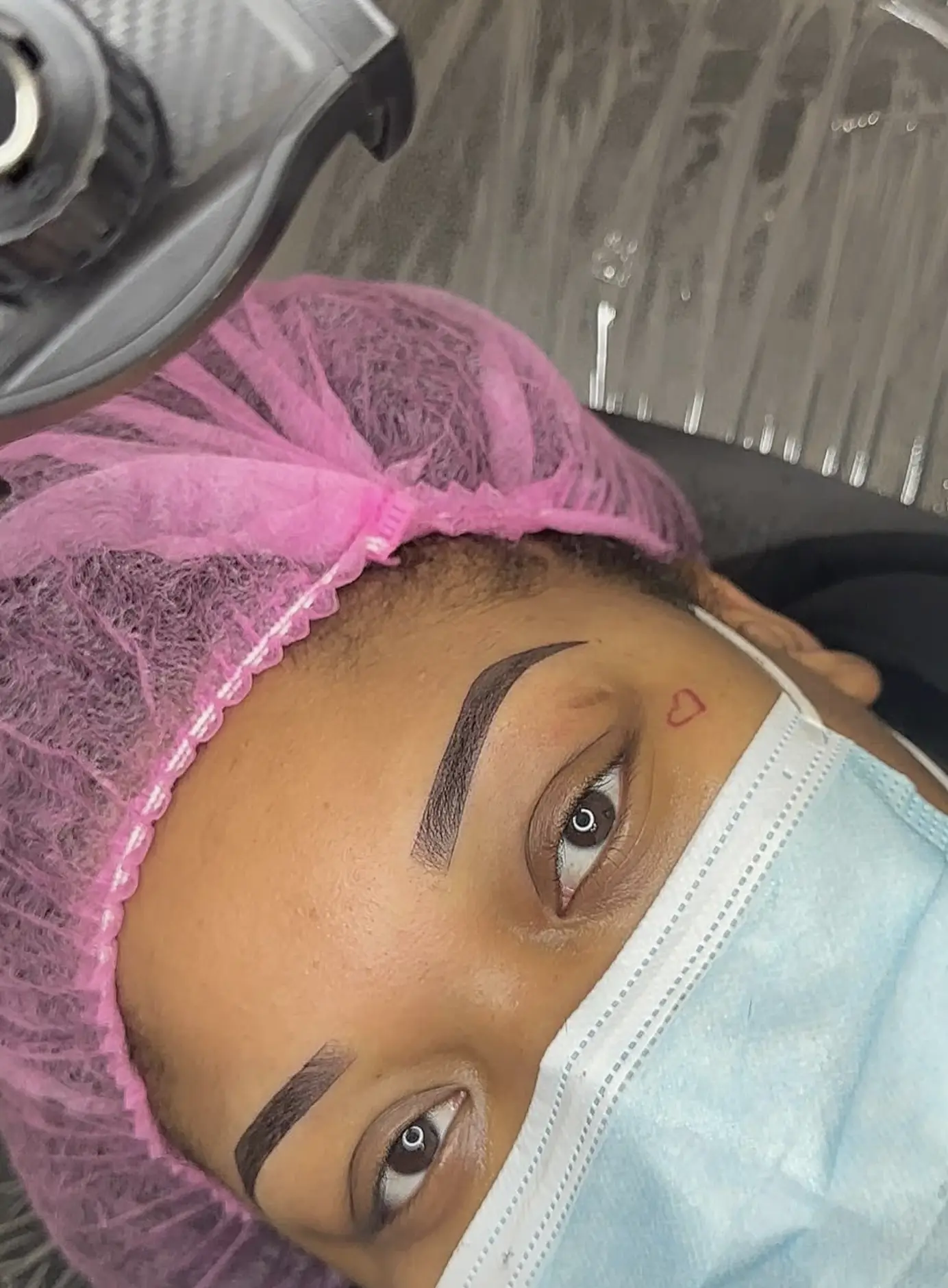
Final Takeaway
So, what is someone who does permanent makeup called? A Cosmetic Tattoo Artist. But the real measure is not the title — it’s the training, safety standards, and experience behind it.
Whether you’re booking an eyeliner tattoo, Lip Blush Tattoo, or curious about enrolling in eyebrow tattoo courses, remember: a certified professional makes all the difference.
At Face Figurati Cosmetic Tattoo Studio in Melbourne, we deliver results that suit your lifestyle, your skin tone, and your long-term confidence.
FAQ
Is a cosmetic tattoo artist the same as a tattooist?
No — a tattooist works with body art and deep inks, while a cosmetic tattoo artist uses a PMU machine and pigments designed for permanent cosmetics.
Can permanent makeup help with scars?
Yes. Scar Camouflage Tattoo is a specialised form of paramedical tattoo that blends pigments into scar tissue for a natural effect.
Do I need a licence to perform cosmetic tattooing in Melbourne?
Yes. You must complete certified cosmetic tattoo courses or a permanent makeup course and follow strict health regulations.
Is permanent eyeliner safe?
When done by a certified professional, yes. Options include Lash Line Enhancement Tattoo and Winged Eyeliner Tattoo for different looks.
Can cosmetic tattooing be reversed if I don’t like it?
Yes, but it often requires laser tattoo removal or saline removal sessions. That’s why it’s so important to choose a skilled professional.