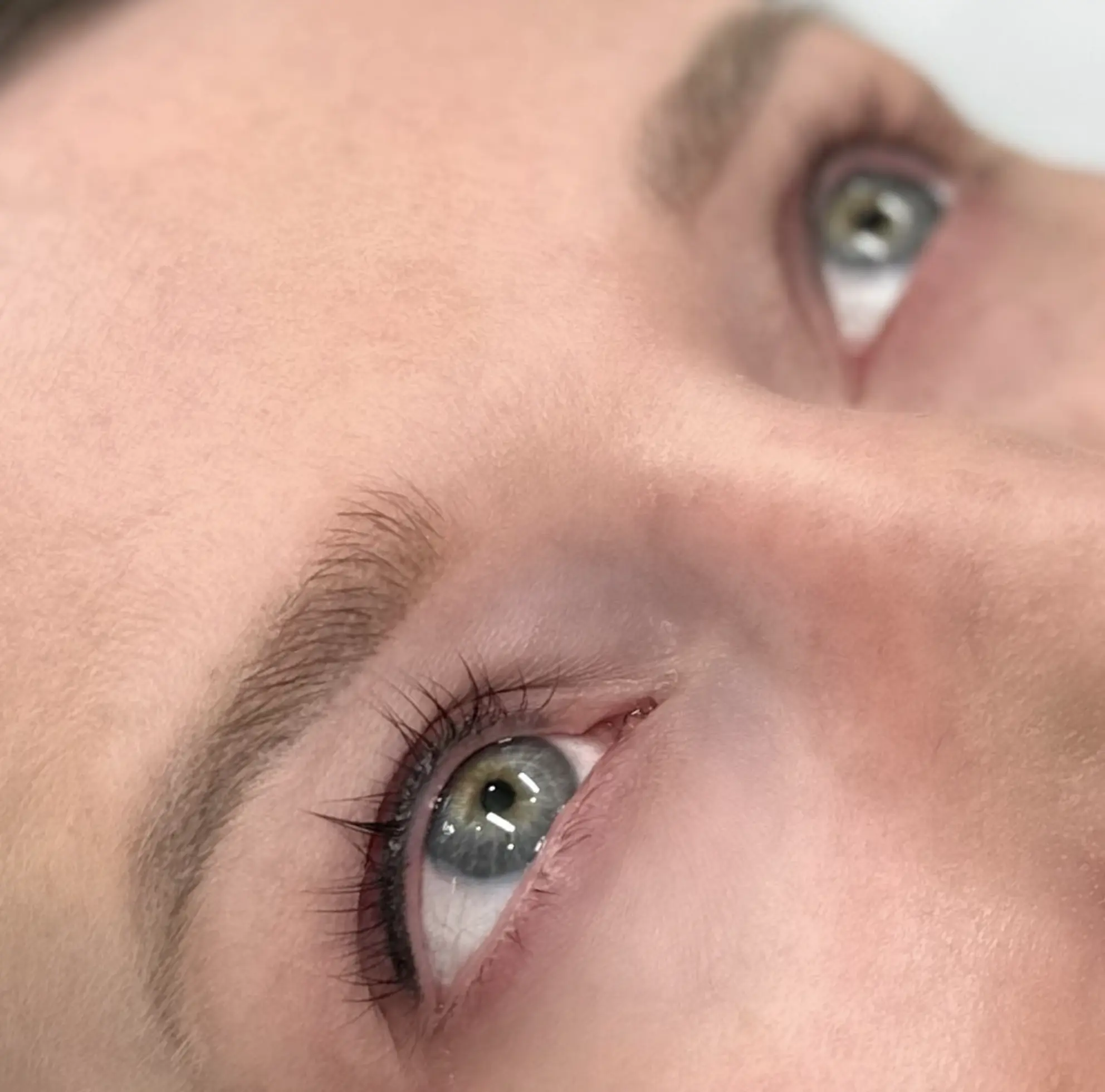
How do nano brows withstand this 4-Seasons-in-1-Day weather that Australia is so famous for – especially Melbourne, where you can get sunburn, rain, wind and a chilly snap all before dinner time? It’s a question that makes total sense if you’ve ever lived in a place like that – I know it all too well from my time on the road, in the bush and from endless conversations with mates about how to plan for the unpredictable conditions. But the same rules apply to our faces, don’t they? When you strip away the trends and social media filters, cosmetic tattooing will only work if it takes into account the local climate, skin behaviour, and real life. That’s why nano brows are pulling ahead in this area.
You’ll hear a lot of chatter about Melbourne cosmetic tattoo services these days, but not all of these techniques are coping well with our fast-changing weather.
Contents
- 1 How New Brow Techniques Improve on Older Methods
- 2 Tattooing vs Cosmetic Brow Techniques
- 3 Weather Stress and Skin Type – The Real Game
- 4 Heat, Humidity and Sweat
- 5 Cold, Wind and Dry Air – The Hidden Enemy
- 6 Sun Exposure and UV – The Long Game
- 7 How Modern Brow Techniques Compare
- 8 Why Nanobrows Have Become The Default For People In Unpredictable Climates
- 9 Why Technique Beats Trends
- 10 A Note About Other Cosmetic Tattoo Treatments
- 11 Final Takeaway: Brows That Work With Real Life
- 12 FAQ
How New Brow Techniques Improve on Older Methods
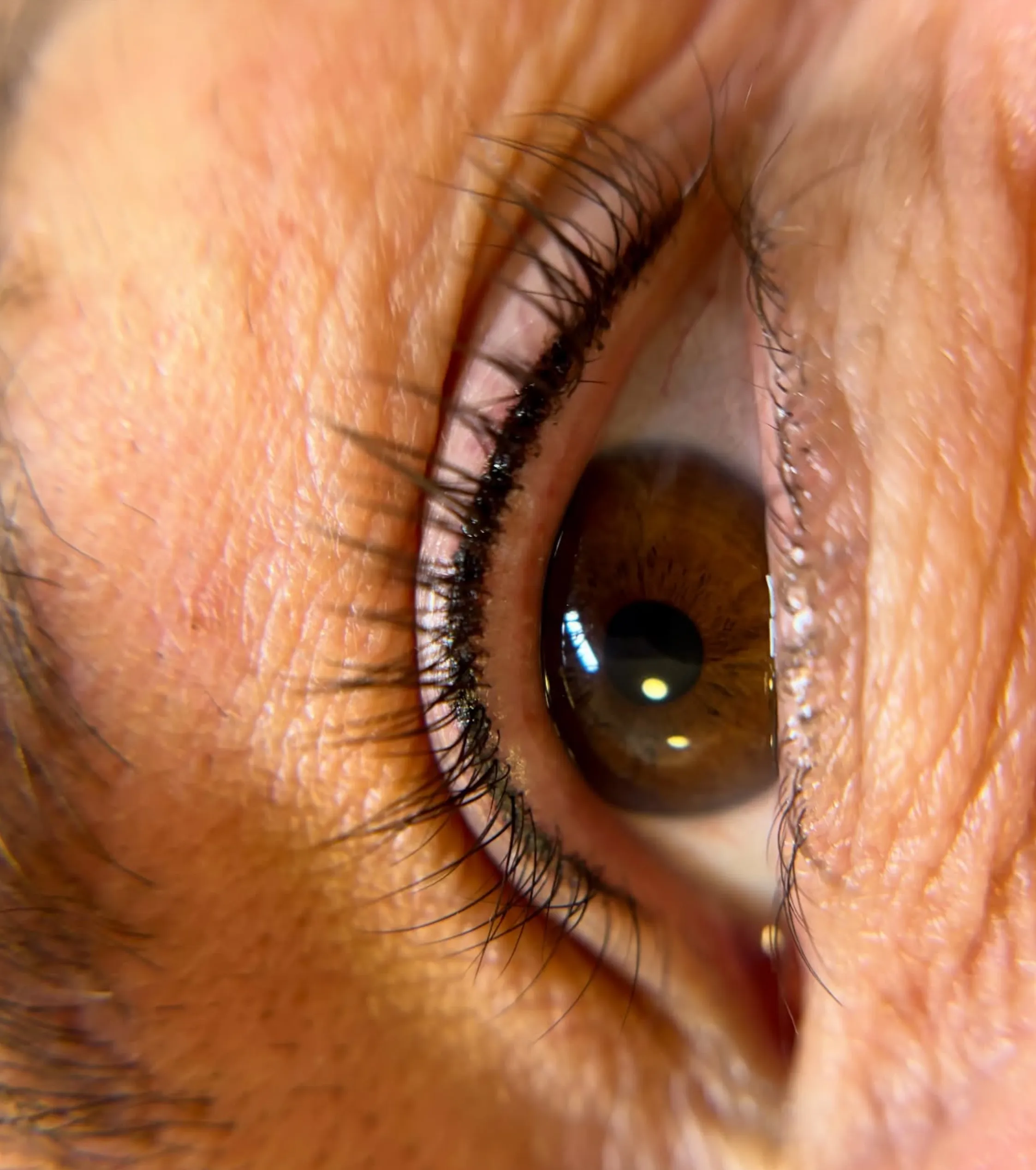
Nano brows are a form of semi-permanent makeup in which a digital device fitted with a fine or ultra-fine needle is used to implant pigment into the skin, depending on the client’s skin type and desired level of detail. This is a more controlled and consistent approach than traditional manual methods, in which the artist uses a needle to cut the skin and apply ink. The consistency of this machine-based method is critical when you’re dealing with skin that reacts to changing temperatures, wind, or rapid changes in humidity. It results in more even colour delivery during the healing process, and also means the colour will hold up way better than older techniques like microblading.
This approach is now standard practice in reputable studios, including the one I work with in Melbourne, where climate resilience is taken into account from the outset.
Tattooing vs Cosmetic Brow Techniques
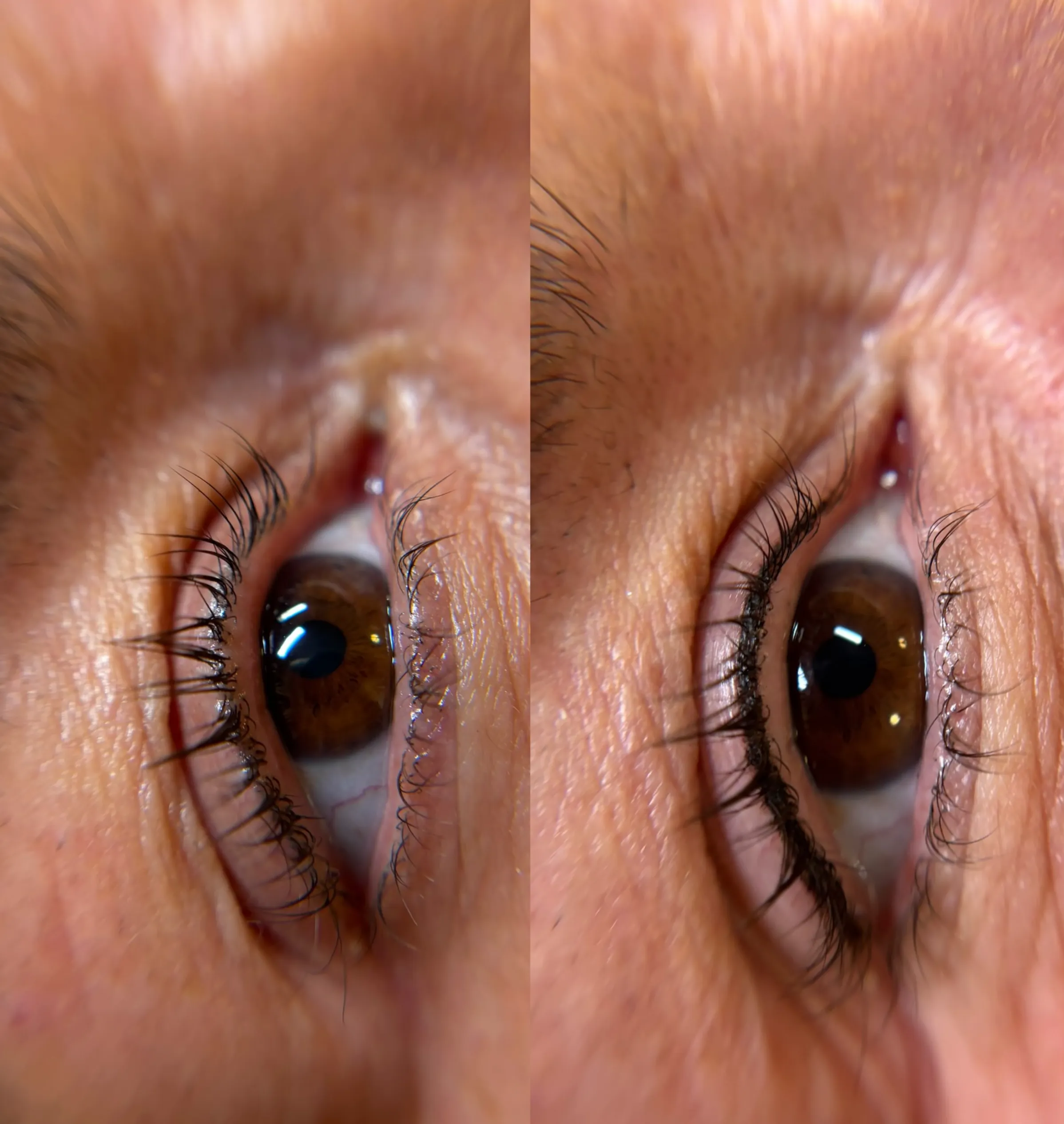
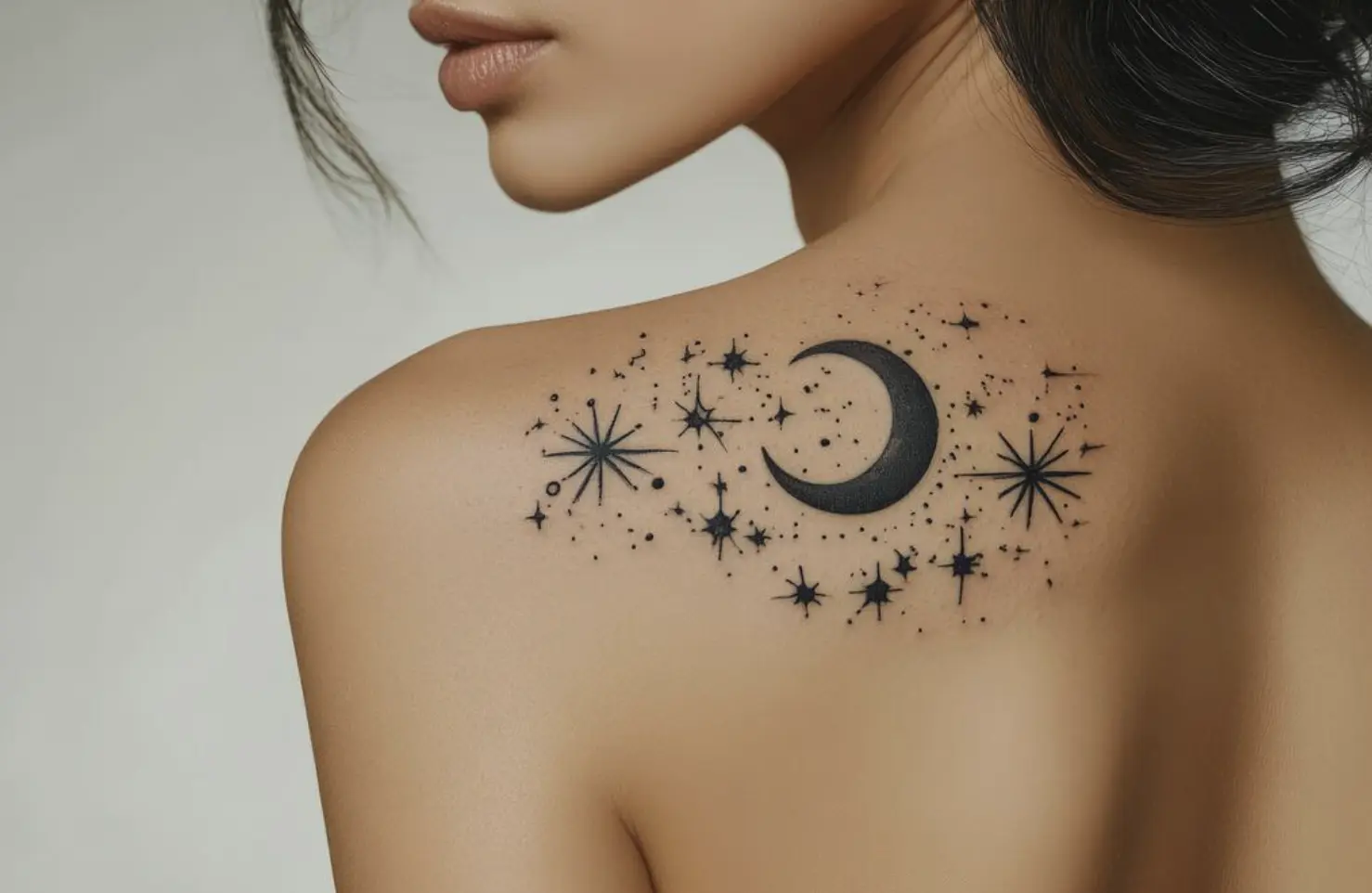
Nano brows are often conflated with traditional tattoos, but that comparison doesn’t hold up to scrutiny. Traditional tattoos penetrate deeply into the dermis. Nano brows are much closer to the surface – which is on purpose – because it means they age more gently and fade more predictably. That’s why they’re so well-suited for natural-looking eyebrow enhancement rather than for heavy, makeup-style blocks of colour.
It’s also why nano brows are a form of permanent makeup, but not as “set for life” as a traditional tattoo.
Weather Stress and Skin Type – The Real Game
No brow technology exists in a bubble. Your skin type and environment are always at play – and sometimes working against you.
High oil production can make pigment fade faster. Dry skin can flake off during the healing process. Combination skin may behave perfectly in winter, but go haywire in summer – you get the idea. Nano brows actually handle these shifts better because the machine-based application lets the artist adjust their technique in real time – depth, speed and pigment load all depend on the individual client.
Ultimately, it’s the experience of the brow artist or Nano Brow artist that makes all the difference. We don’t just tattoo what looks good for the day – we plan for how your skin will behave three months from now, six months from now… and so on.
Heat, Humidity and Sweat
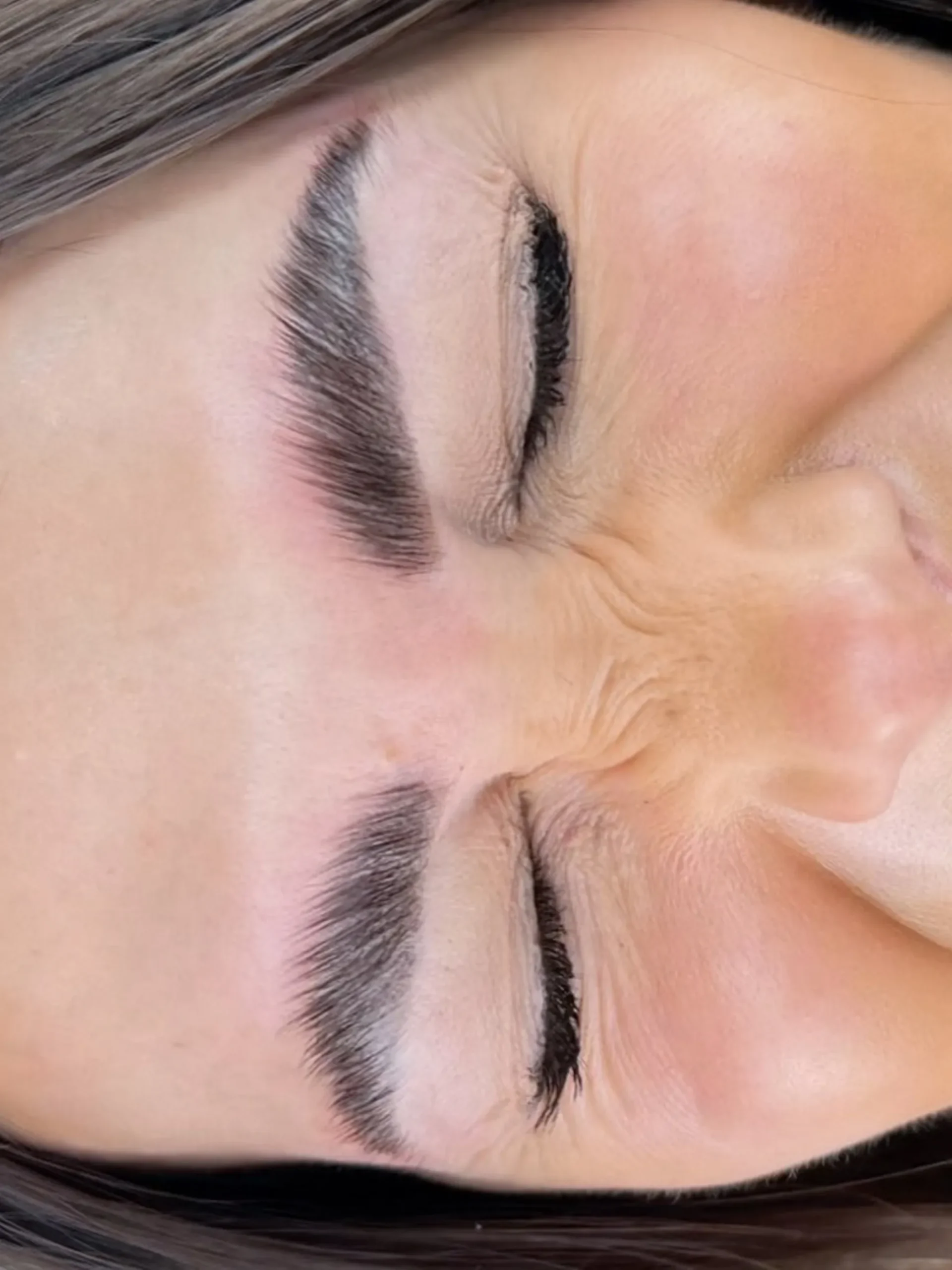
Australian heat is no laughing matter. When it comes to sweating, the combination of salt, heat and friction can undo all the hard work you’ve put into getting your brows sorted – if the technique isn’t tailored to beat the heat. Classic brow makeup just doesn’t stand a chance: by lunchtime, it’s gone. And microblading? Forget it – excess oil can make the lines run and blur.
But nano brows are a different story altogether. Once they’ve healed, they’re totally impervious to the sweat and heat of daily life. The only time things can go wrong is during the healing process – especially in the first 7-10 days when the skin is at its most fragile. Any extreme heat during that time can significantly affect pigment retention.
Studios that offer Melbourne cosmetic tattoo services will often advise booking your appt for a time when the heat isn’t going through the roof – you know, just to be on the safe side.
Cold, Wind and Dry Air – The Hidden Enemy
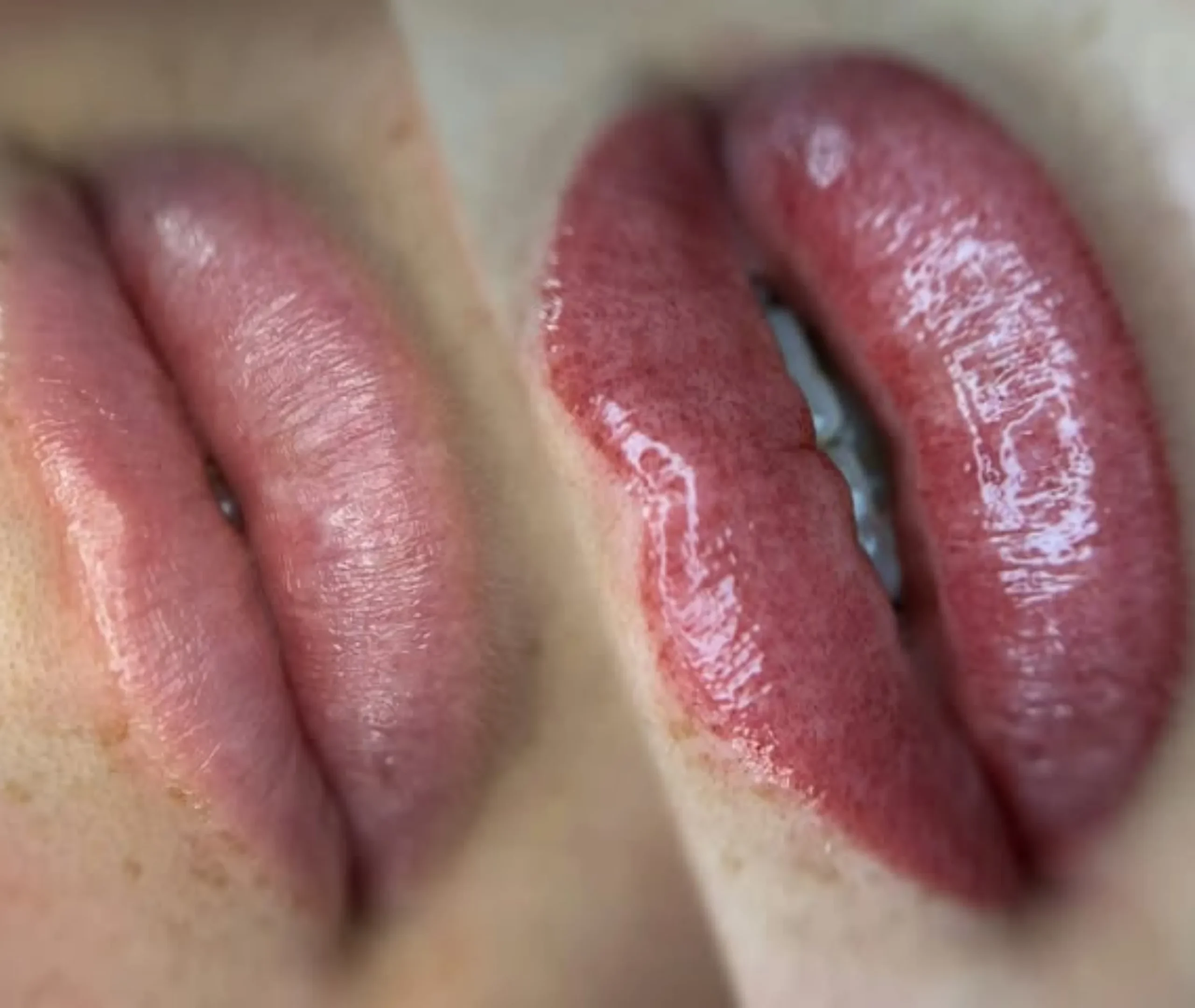
People often focus on heat, but a cold snap can be just as tough on healing skin as heat. Windburn and dry air removing moisture from your skin isn’t pleasant and can affect how the pigment settles.
And nano brows actually come out on top in this situation because they cause less trauma than the strokes used by a microblading artist. That means the skin can repair itself faster and the colour remains more stable during healing.
It’s especially true for clients who are always moving between climates or spending significant time outdoors year-round.
Sun Exposure and UV – The Long Game
Weather may cause temporary irritation, but UV exposure is what causes real problems. And believe it or not, but cosmetic tattoo pigment isn’t immune to the ravages of time.
According to dermatologists, sun exposure is responsible for up to 80% of the visible signs of facial ageing – and that’s not good news for your brows either. Over time, UV rays really break down the pigment molecules, leading to gradual fading.
Nano brows may fade a bit more evenly than other brow types, but they still need protection. So make sure you’re slapping on some SPF every day over your brows after they’ve healed – it’s a simple way to extend the life of your brows, and artists at Cosmetic Tattoo Melbourne Studio will tell you the same thing.
How Modern Brow Techniques Compare
| Technique | Tool Used | Best Suited For | Climate Performance | Colour Stability |
|---|---|---|---|---|
| Nano Brows | Digital machine, ultra-fine needle | All skin types | High | Even fade |
| Microblading | Handheld tool | Dry skin only | Low–moderate | Variable |
| Powder Brows | Machine shading | Oily skin | Moderate | Soft fade |
| Ombre Brows | Gradient machine technique | Makeup-style brows | Moderate | Consistent |
| Brow Makeup | Topical products | Short-term wear | Low | Washes off |
Why Nanobrows Have Become The Default For People In Unpredictable Climates
What Really Matters In The Healing Process
The treatment aftermath determines whether your pigment stays sharp and vibrant or looks streaky and faded. And let’s get real – during the healing process, you are basically just begging for trouble if you don’t take care not to scratch or irritate your skin.
Good aftercare is pretty simple, really:
- Use a light aftercare ointment to help repair the skin barrier function
- Don’t use any harsh skincare products anywhere near the area of your brows
- And seriously, take it easy on the exfoliating until you’re fully healed
Once you’ve got that cleared up, nanobrows pretty much run on autopilot – that’s a big part of why they’re so well suited to busy lives and outdoor lifestyles.
How To Plan Refreshes Without Over-Doing It
The thing is, nanobrows are meant to evolve. You’ll normally need a touch-up session after the initial treatment to make any necessary tweaks and tidy up the strokes. After that, you’ll likely need to return every 18 to 24 months to keep things looking their best.
That said, the timeline can vary a lot from person to person – it depends on your skin type, how much time you spend in the sun, and your lifestyle. People who spend a lot of time outdoors may need touch-ups sooner because the pigment is designed to fade over time rather than appear harsh.
It’s all about being responsible with cosmetic tattooing – that’s what sets a good studio apart from a trendy one chasing the latest fad.
Why Technique Beats Trends
The rise of cosmetic tattoo studios in Melbourne has given people more options – and more to think about. Not every studio that offers nanobrows actually knows how to perform them properly.
The reputable studios like Cosmetic Tattoo Melbourne Studio, and the established players like Face Figurati and RK Studios, all do things the right way.
- They get the brow mapping spot on
- They pick a custom pigment that looks right on you
- They use the right machine techniques for your skin type
- And they’ll give you a straight-up and down about what you can expect
That approach leads to a natural look that ages really well, rather than some flash-in-the-pan look that peaks and then quickly fades.
A Note About Other Cosmetic Tattoo Treatments
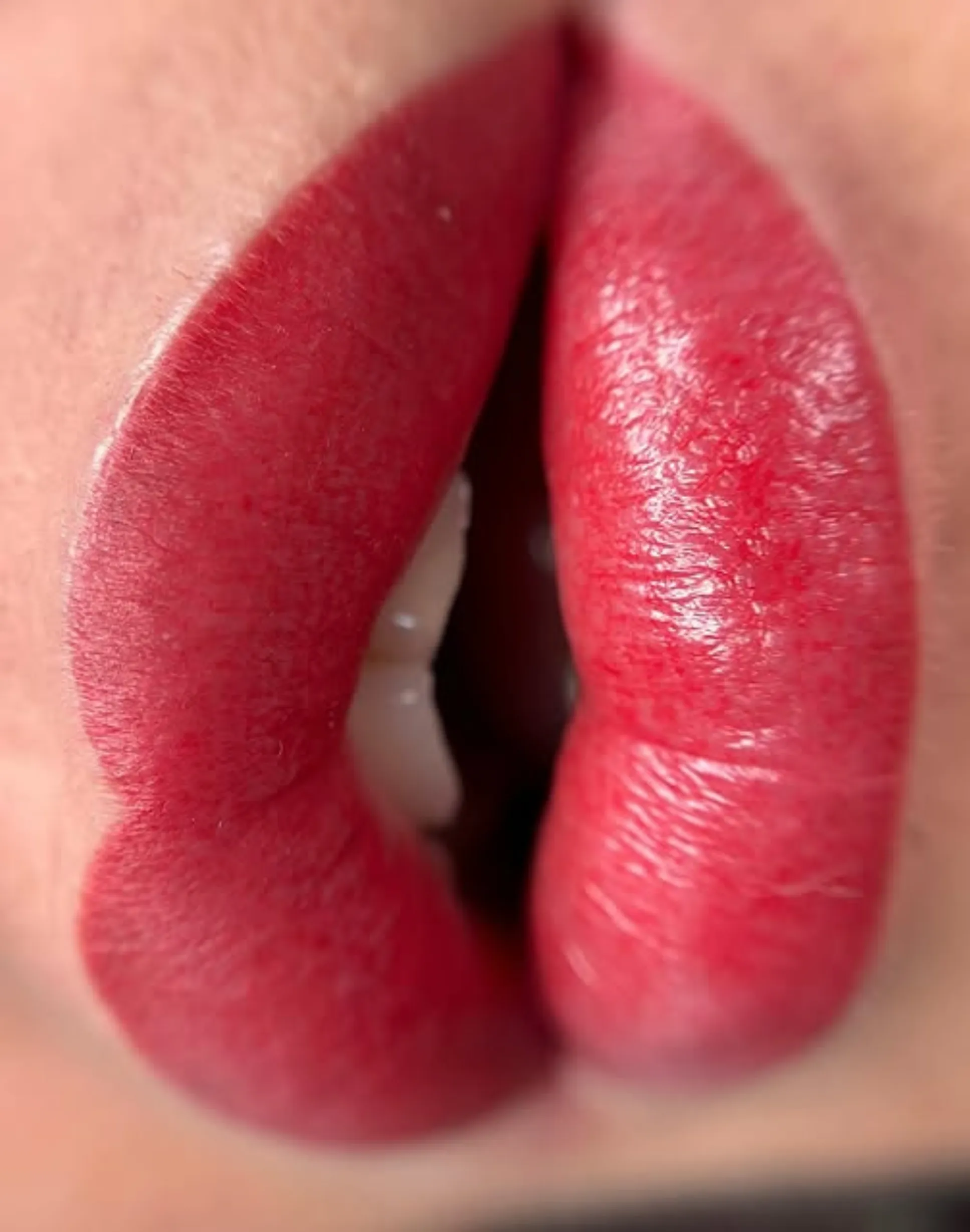
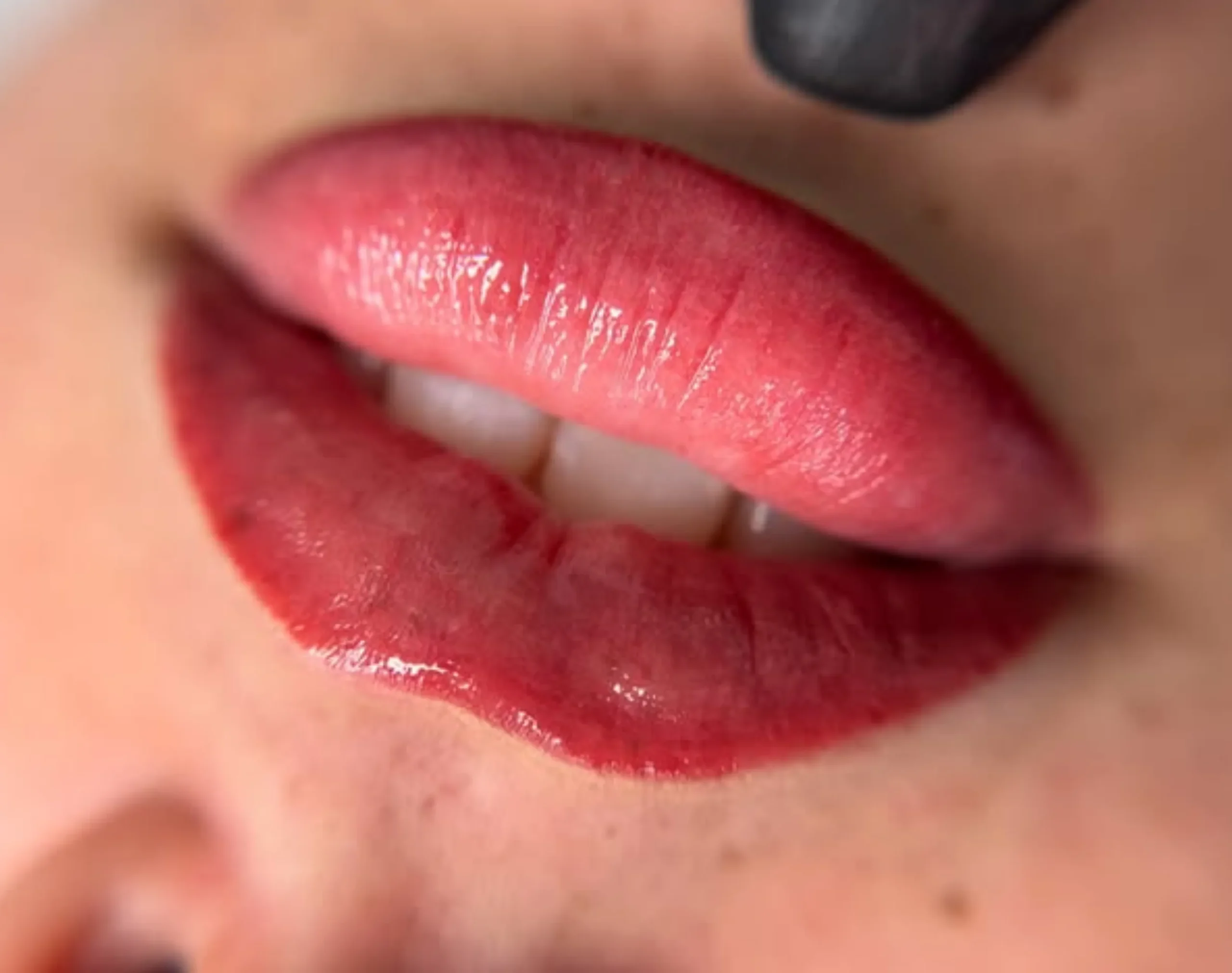
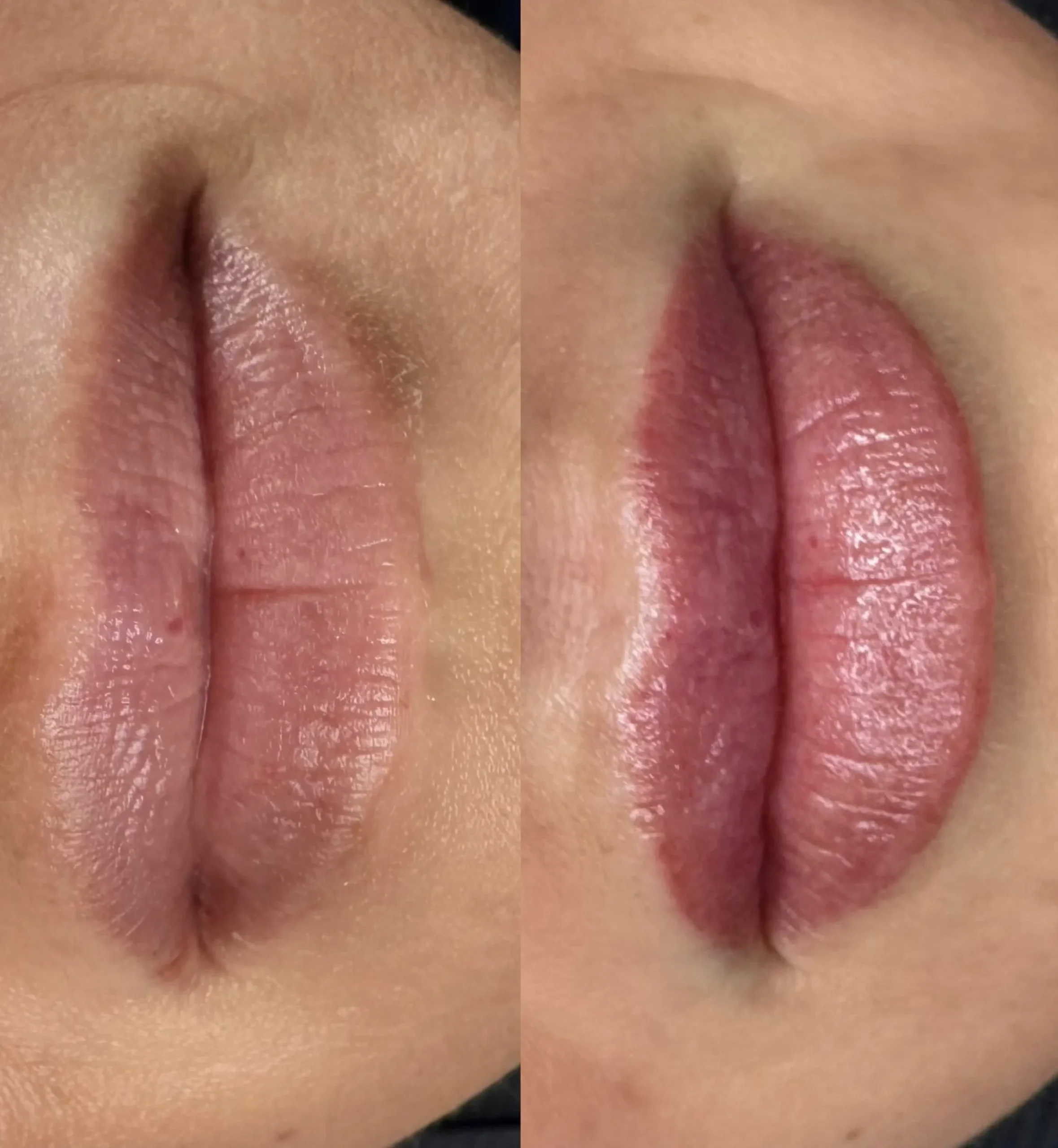
While this write-up is all about brows, you’ll also find that a lot of studios offer lip blushing and other permanent makeup options. The same thing applies here – you get a lot better long-term results when studios do shallow pigment placement, controlled technique, and actually listen to your skin biology.
The goal with any cosmetic tattoo is just to have a friendly relationship with your features – not to take over.
Final Takeaway: Brows That Work With Real Life
Nano brows aren’t about jumping onto every trend – they’re about being practical. The weather changes, your skin changes, and day-to-day routines all affect how your brows look, and nano brows are designed to handle it all with barely a flicker.
If your life is anything like mine – with sunshine, wind, and all sorts of weather nonsense – this technique is one of the most low-maintenance ways to get great-looking brows. When done right, it’s one of the only types of eyebrow enhancement that still looks like you, rather than some sketched-on fake brows.
If you want brows that can take a beating instead of falling apart, nano brows are a good place to start.
FAQ
Are nano brows good for all skin types?
The answer is yes. Nano brows work well across all skin types – oily or mature skin included – because of how carefully the pigment is placed.
Does the weather affect my brows after they’ve healed?
Once your brows have healed, the weather will not have much impact on them. It’s the sun that’s the primary factor in pigment fading over time.
How are nano brows different from microblading?
The main difference is that nano brows use machines to apply pigment, rather than manual strokes, as in microblading. This means you experience less skin trauma and a more even healing process.
Can my skincare affect my brows?
Using strong actives or excessive exfoliants directly on the brow area can cause pigment to fade faster if you’re using them too often.
How often should I get my brows refreshed?
Most people schedule touch-up sessions every 18-24 months, but this will depend on how quickly your skin changes and how much sun you get.