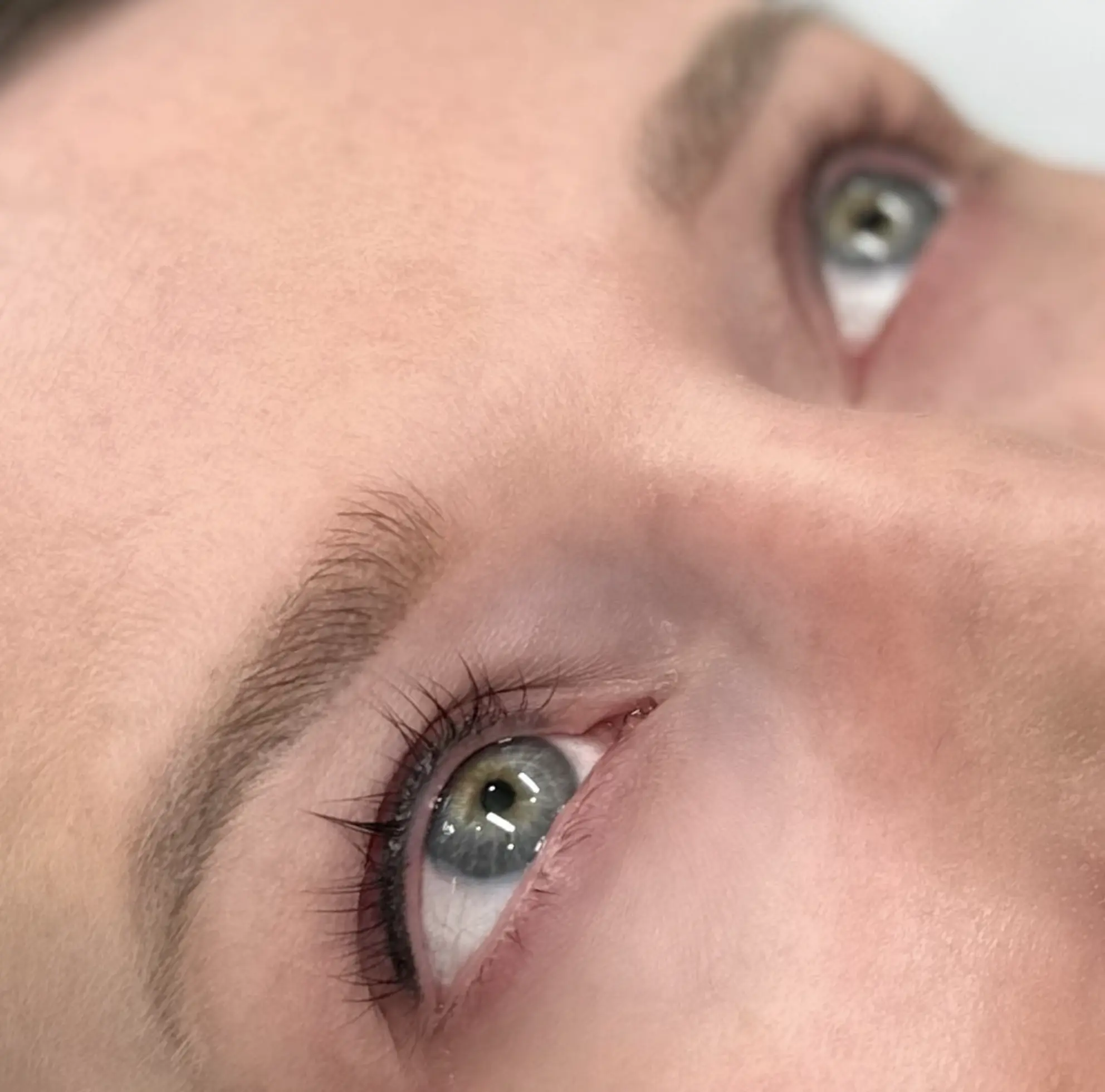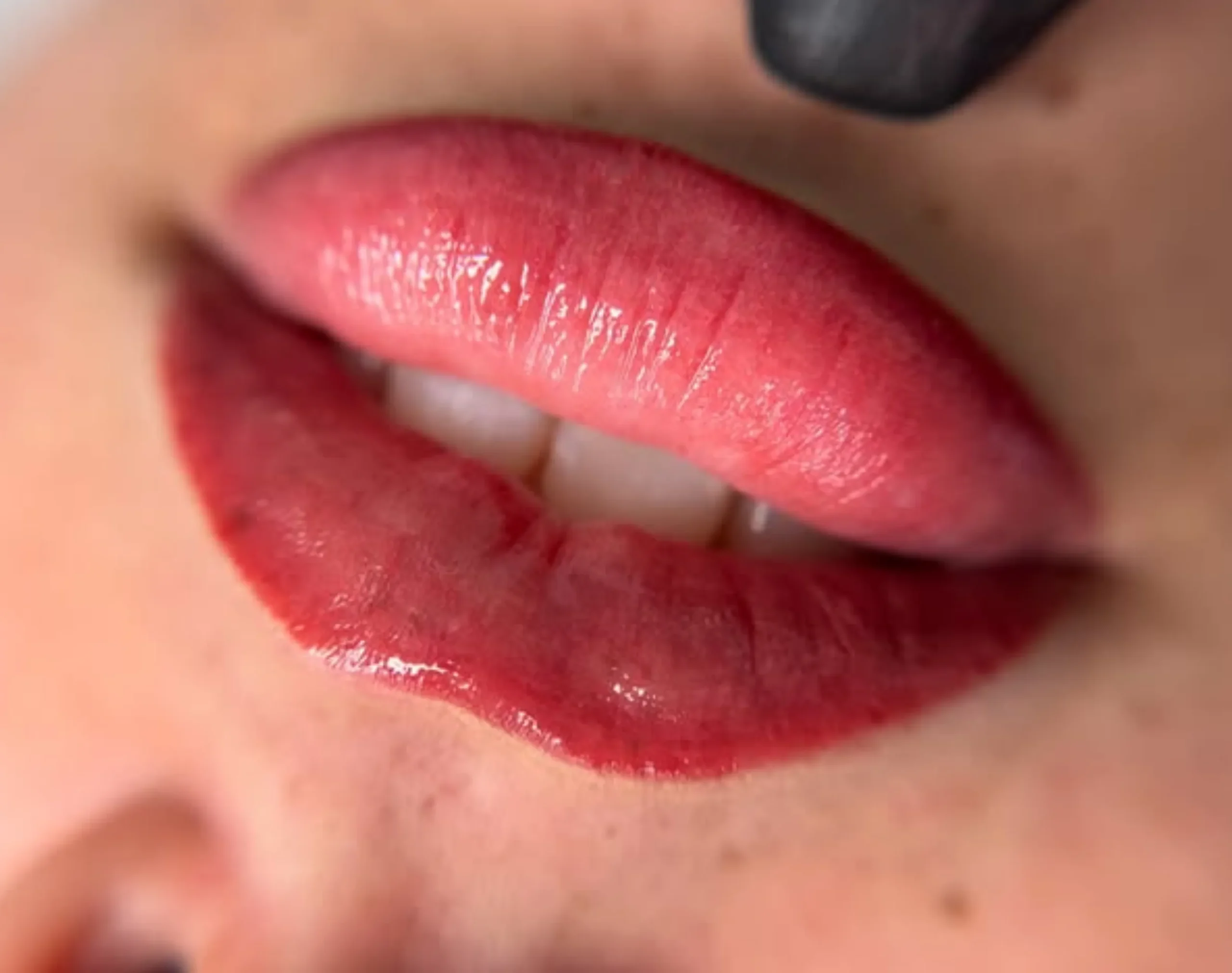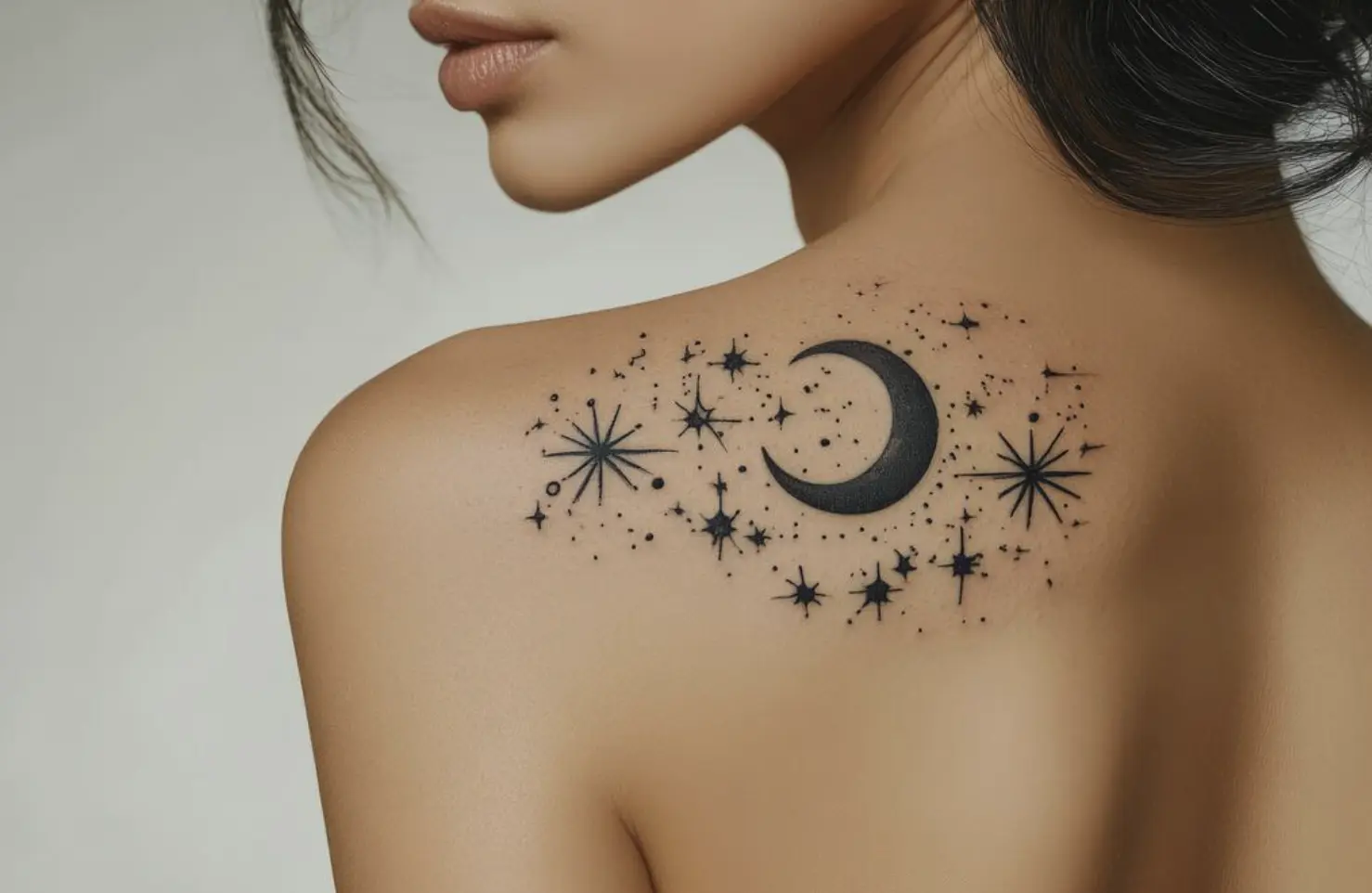
When people ask me, “Is it a risk to learn fine-line tattooing outside of a studio?”, they usually want to know if practising at home can replace the real deal. As someone who works with Body art and cosmetic tattoo clients every day at Cosmetic Tattoo Studio Melbourne Face Figurati, I can tell you that learning fine-line tattooing on your own is rarely as simple as it looks on Instagram.
Many clients who visit us after searching for lip tattoo in Melbourne, lip neutralization near me, or help with botched linework are surprised to learn how much risk is involved when beginners practise in unregulated settings. So today, let’s talk honestly about the skills, safety systems, and legal requirements you simply cannot learn on your own.
Contents
- 1 Why Home-Based Learning Misses Critical Safety
- 2 A Quick Comparison: Proper Training vs Home Attempts
- 3 How Technique Mistakes Create Long-Term Skin Damage
- 4 A Real Example From My Chair
- 5 Skin Behaves Differently Under Pressure
- 6 Why Proper Guidance Prevents Early Career Burnout
- 7 Legal Requirements In Victoria Are Not Optional
- 8 Quality Tools Make A Bigger Difference
- 9 Aftercare Advice Causes More Damage
- 10 What You Can Learn Before Entering Professional Training
- 11 Never Attempt Without Professional Training
- 12 A Final Thought, And An Invitation
- 13 FAQ
Why Home-Based Learning Misses Critical Safety
Let’s face it, a safe tattoo starts with infection control – it’s not the glamorous part of the job, but it keeps clients safe and lets us artists keep on working. When people try to learn at home, though, they often underestimate just how many risks they’re creating by cutting corners on sterile equipment, proper workflow and proper sanitation steps.
Most DIY attempts at learning are missing out on the basics:
- Sharps handling – you know, needles and stuff
- Cleaning and disinfecting the surface
- Proper ink storage
- You need brand-new needles for each use
- Being properly protected
- Throwing away rubbish properly
- Not transmitting diseases
And yet all these are things that tattoo pros in Melbourne have to master before even attempting to tattoo someone’s skin.
A Quick Comparison: Proper Training vs Home Attempts
| Knowledge Area | Professional Setting | Home Experimenting |
|---|---|---|
| Infection control | Taught in depth | Usually guessed |
| Sterile packaging | Mandatory | Rarely understood |
| Safe equipment setup | Supervised | Improvised |
| Risk awareness | Structured learning | Minimal |
| Client protection | High priority | Often overlooked |
People often come to Cosmetic Tattoo Studio Melbourne Face Figurati after attempting a DIY tattoo and realising how unsafe the process felt. And honestly, that instinct is correct.
How Technique Mistakes Create Long-Term Skin Damage
Fine line tattoos are all about finesse – they need the precision of a surgeon and the eye of an artist. Without proper training, beginners often struggle with how much tension to apply to their hands, how to stretch the skin just so, and how to get the needle depth just right. Even the tiny variations in the motor of a tattoo gun can make a huge difference.
Typical mistakes that beginners make include:
- Wobbly lines that look like they were drawn by a drunk person.
- Needle depth is all over the place, leading to awful blowouts.
- You’re just working the skin too much – no wonder it looks bad.
- It’s all shaky and uneven – like a newborn giraffe.
- Your proportions and spacing are just out.
And these problems aren’t just limited to the moment you put the tattoo on the client – they’re also going to heal poorly, and that’s not pretty.
A Real Example From My Chair
I had a client come in for a cover-up piece after her friend “pulled an all-nighter” on fake skin, trying to get the hang of it. The result was a legible mess – fuzzy and patchy. Her friend had no idea that skin behaves differently on different parts of the body, and especially that ankles need a gentle touch and a steady hand.
That’s why anyone thinking of getting into this kind of work – like a lip liner tattoo or advanced lip tattooing – needs to put in the real training hours, rather than winging it.
Skin Behaves Differently Under Pressure
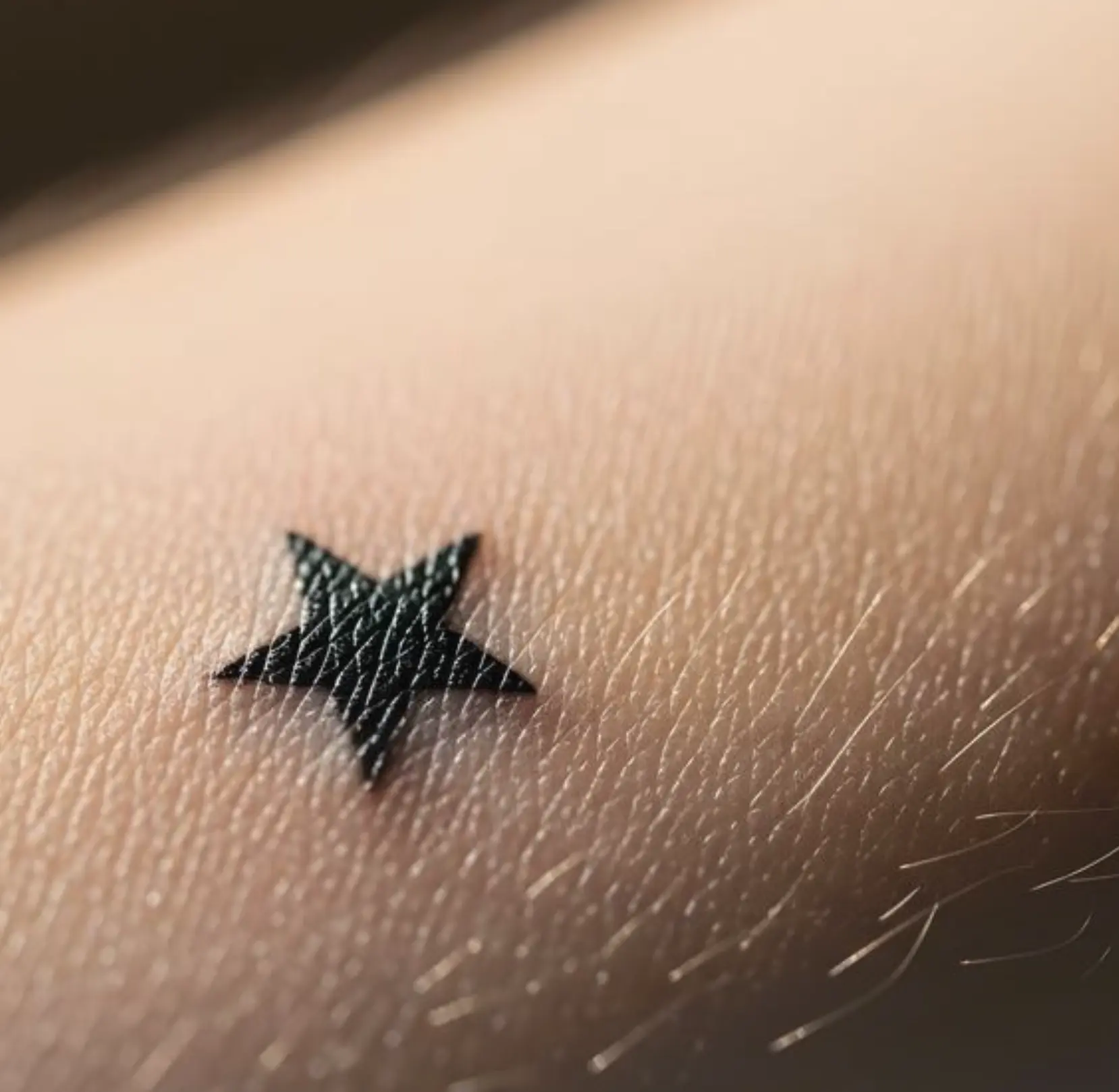
We all know that tattooing looks mechanical, but it’s actually really biological. And skin doesn’t behave the way you’d think – it’s not consistent, and it’s different from person to person, and even from season to season.
Some things you need to learn if you want to get it right include:
- Thin skin needs a gentle touch, or it’ll look like hell.
- If you’re working with oily skin, forget about getting the ink to stick.
- High UV areas like Melbourne will just fade all your hard work.
- Dehydrated skin in the winter will just bruise – it’s like a ticking time bomb.
- Moist areas need to heal for a long time, and you need to be patient.
And even if you just do lip work, like at some places that do lip tattoo in Melbourne climate is going to affect how the healing goes.
Why Proper Guidance Prevents Early Career Burnout
Learning to tattoo without a supervisor is basically asking for frustration. You don’t know what’s going wrong, the lines don’t turn out right, and every healed tattoo looks different from what you had in your mind.
But when you’re under guidance, a good mentor will help you get it right – they’ll show you how to:
- Hold the machine right
- Position your wrist just so
- Get the depth right
- Take the right stretch angle
- Pace yourself with the speed
- Choose the right needle for the job
When I teach my students – or train people in fine line tattooing, for example – I see dozens of tiny mistakes that beginners aren’t even aware they’re making.
But if you’re on your own, these problems are invisible – until they come up on healed skin and you’re left wondering where you went wrong.
Legal Requirements In Victoria Are Not Optional
Tattooing is heavily regulated, and that’s not just some fancy idea – it’s for real. In Victoria, you need to meet all these strict health standards to even work in a studio – that means getting infection-control certified and working within a registered facility.
Trying to learn at home – or just wing it – means you’re missing out on all the health checks and compliance – that includes things like:
- No one’s coming by your place to check on you
- No one’s going to make sure your sterilisation is up to scratch
- Sharps laws and equipment tracking – yep, that’s all optional
- Insurance? Who needs that?
Whether you’re doing body art or branching out into cosmetic tattoos, ignoring all these laws is a recipe for disaster – and it puts you and your clients at real risk.
Quality Tools Make A Bigger Difference
Lots of beginners start with those super cheap online kits thinking they’re a good idea, but the truth is, low-quality gear is going to cause more problems than you can imagine. These cheap kits often have dodgy power supplies and flimsy tattoo-gun motors, which make it impossible to get consistent results, no matter how careful you try to be.
Professional equipment, on the other hand, gives you:
- A nice, steady power supply that never lets you down.
- Predictable needle movement.
- A smoother motion when you’re doing delicate work.
- Cartridge systems that are safe and reliable.
At Cosmetic Tattoo Studio Melbourne Face Figurati, we only use proper gear chosen for precision work – especially when it comes to cosmetic tattoo, which is all about precise pigment placement.
Aftercare Advice Causes More Damage
Even with a good tattoo,, you can still end up with a bad heal if you don’t, get your aftercare right. A lot of DIY beginners get this stuff wrong – some of the advice you see online is absolute rubbish. For example:
- Using petroleum jelly (blocks airflow)
- Exposing fresh ink to hot water
- Swimming in chlorinated water
- Relaxing in hot tubs
- Letting the tattoo catch UV rays
The thing is fresh tattoos need some breathable moisture (basically just plain unscented moisturiser), to be kept clean and to be protected from the sun – not suffocated with petroleum jelly, heated up with hot water or exposed to UV.
Medical literature suggests that up to 10% of tattoos have some kind of complication, and a lot of that gets put down to wrong aftercare or poor standards of cleanliness.
What You Can Learn Before Entering Professional Training
There are a few skills that you can safely develop on your own – the kind of stuff that won’t put you or anyone else at risk:
- Drawing and sketching
- Understanding line flow
- Studying design balance
- Practising hand stability (machine off)
- Planning tattoo concepts
- Using fake skins to warm up
These skills will help you transition smoothly into a proper apprenticeship or fine line tattoo course.
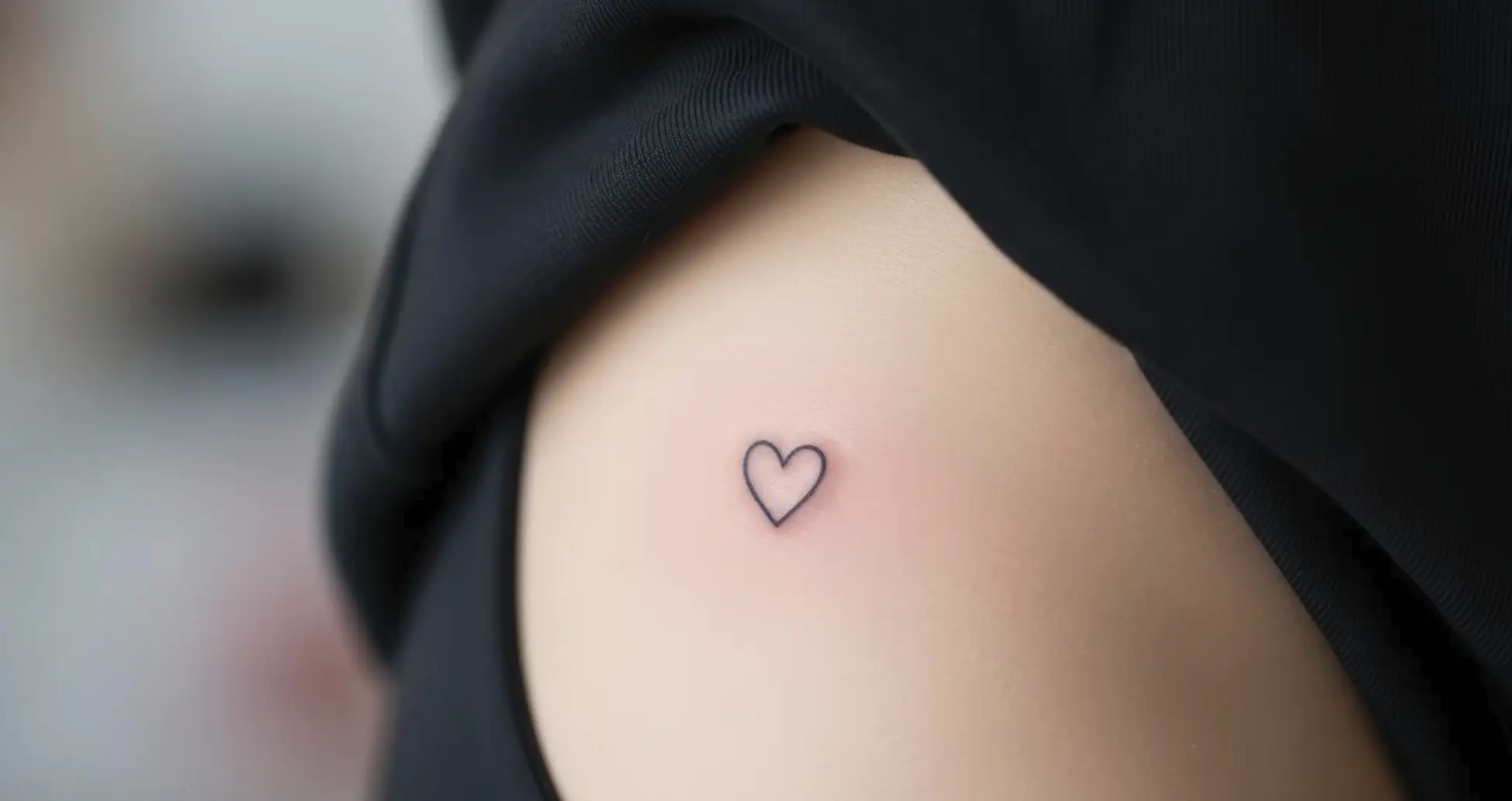
Never Attempt Without Professional Training
But certain skills are a no-go without proper supervision – the kind of skills that can put you or your client at real risk. This includes:
- Actually, tattooing real skin – that one’s a bit obvious.
- Getting depth control right – that’s a tough one to master without practice.
- Skin stretching techniques are also a no-go.
- Setting up safe equipment – not something you can figure out from a YouTube video.
- Working with sterile packaging requires someone who knows what they are doing.
- Performing actual tattooing procedures.
- Advising on healing – especially when it comes to fine-line tattoos.
These kinds of skills require hands-on correction from someone who knows what they are doing – and you also have to toe the line when it comes to Melbourne’s strict health regulations.
A Final Thought, And An Invitation
If you’re dreaming of becoming a tattoo artist or stepping into the world of cosmetic tattoo work, you need to get your training right – that means safety first, proper guidance and expert supervision. At Cosmetic Tattoo Studio Melbourne Face Figurati, I help new artists build the skills, confidence, and artistry that take them to the next level.
Whether you’re thinking about a fine line tattoo course, you want to do some foundation building before you start an apprenticeship, or you just need some safe advice on what it’s like to be a tattoo artist, I’m always here to help.
FAQ
Is it okay to start by tattooing myself?
No way, the risk of infection is way too high, and let’s be honest, the chances of getting it right on your own are pretty slim.
Can I just practise with a cheap machine first?
Cheap machines are basically impossible to work with for fine-line work. They’re not even worth learning on.
Why do fine-line tattoos fade faster?
Fine-line tattoos sit more on the surface and are super sensitive to UV rays, friction and improper healing. Aftercare is everything with fine line.
Can I use petroleum jelly on a fresh tattoo?
No, no, no – it blocks airflow completely. Just stick to a good unscented moisturiser that your tattoo artist recommends.
Is DIY tattooing even legal in Melbourne?
Nope – you can’t just go out there and tattoo people on your own, that’s a breach of the regulations.