How to Report Injured or Orphaned Wildlife in 2026. It’s not exactly rocket science, but you do need to stay cool, think on your feet, and avoid making a bad situation worse. In the middle of nowhere – be it a dusty back road or a suburban street – those initial few minutes are crucial.
I’ve stopped more times than I can count – roos in the gutter, birds stunned on the road, the odd possum caught out during daylight. Most of the time, it all comes down to the same thing: vehicle strikes. Australia sees a mind-boggling number of wildlife injuries and deaths every year, largely thanks to cars and expanding road networks, and even the way some animals are starting to move around. It’s a harsh reality of how our economy and environment interact.
The trick isn’t being a hero, the trick is knowing when to take action – and when it’s better to step back and let the pros take over.
Contents
- 1 Save Key Wildlife Numbers Before You Go
- 2 When Wildlife Needs Help (Or Not)
- 3 Common Wildlife Encounters On The Road
- 4 Where Good Intentions Go Awry
- 5 Why You’re Seeing More Injured Wildlife Than Ever
- 6 The Times You Need To Slow Down
- 7 What Happens Once You Call For Help
- 8 Respecting Country & Local Knowledge
- 9 Why This Matters For Every Aussie Traveller
- 10 A Reality Check Before You Get Involved
- 11 Final Thoughts From the Road
- 12 Summary
- 13 FAQ
- 13.1 Do I need to report every single injured animal I come across?
- 13.2 Can I just take an injured animal away with me?
- 13.3 Why are wildlife collisions on the rise?
- 13.4 Should I be making a beeline for large wildlife, just to take a closer look?
- 13.5 What do I do if I knock an animal over with the car?
Save Key Wildlife Numbers Before You Go
When I’m talking to people about this, I always say this: don’t rely on getting a signal when things go pear-shaped. Save the wildlife rescue number before you even leave. Time really is of the essence when you’re stuck by the roadside with no signal and an injured animal nearby.
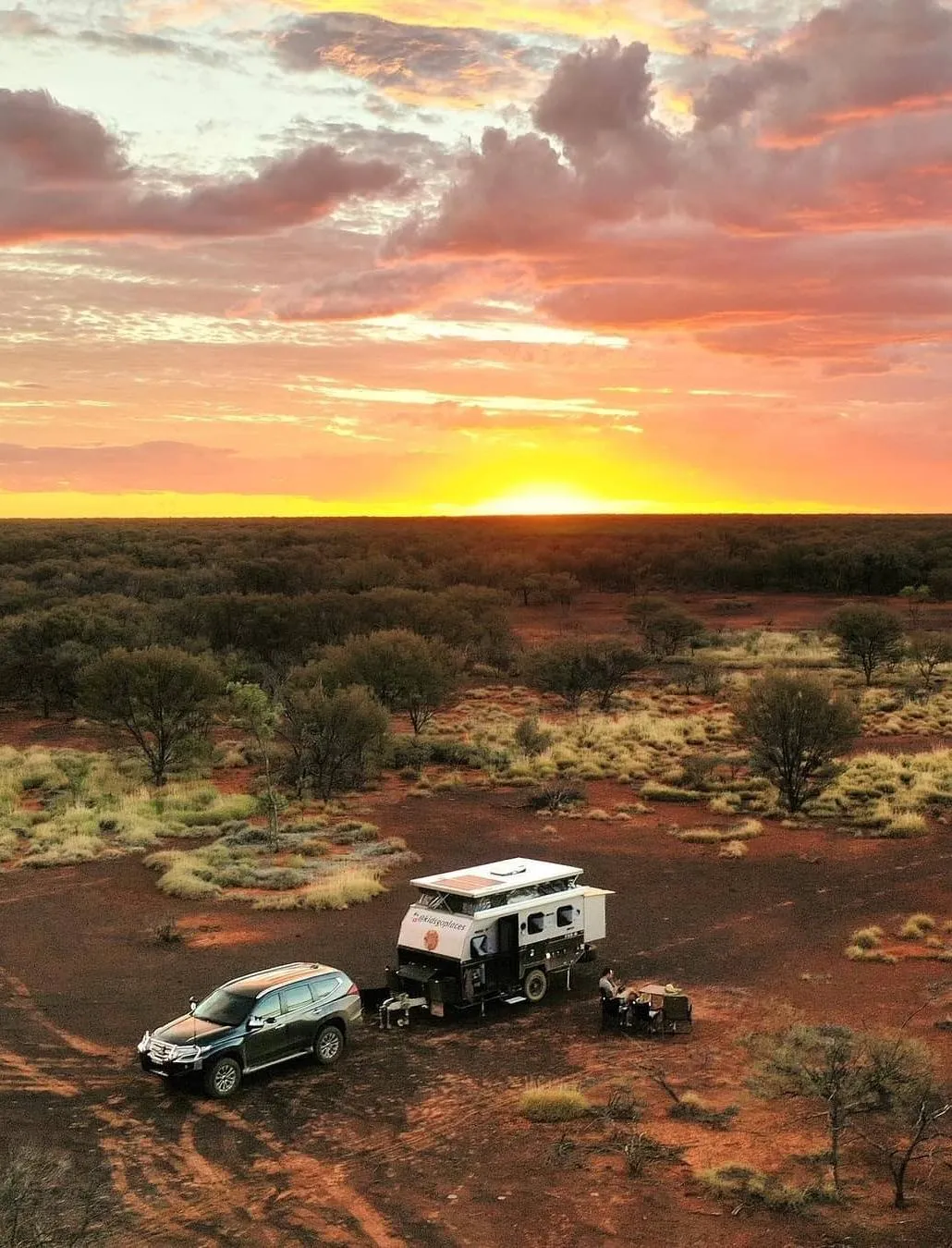
Across the country, every state has its own main point of contact – WIRES in New South Wales, Wildlife Victoria, Wildcare in WA, and so on. Up in the Northern Territory, it often comes down to local rangers. I’ll admit, the system can get a bit messy in some of the more remote areas, but there’s always someone to call – if you’ve done your prep work in advance.
Out in places like Cooloola National Park or the middle of the Top End, I’ve had my phone go dead on me completely. That’s when all that planning and preparation makes all the difference between being able to help and just standing there looking useless.
When Wildlife Needs Help (Or Not)
This is where a lot of people go wrong. Not every animal you see needs rescuing; actually, sometimes stepping in too quickly can do more harm than good.
I’ve seen people pick up baby birds because they thought they’d been abandoned, only to realise the parents were right there all along. Nature’s not always going to look tidy, but that doesn’t mean it’s broken.
What you’re looking for is behaviour that just doesn’t make sense. If an animal can’t move properly, looks confused, or has clearly been involved in a car accident, that’s your cue. The same applies if you see young animals that have been left alone for ages.
But if it’s acting normal, moving ok and has its wits about it? Your best bet is probably just to leave it be.
When in doubt, call first. Every single time.
Common Wildlife Encounters On The Road
When a Kangaroo Gets Hit
If you’re driving in regional areas, this will happen at some point. I’ve seen it from South Australia to Kangaroo Island, where the wildlife and roads overlap so much.
Ease on down the road slowly and keep a fair distance. Don’t want to spook that ‘ roo – they can do a lot of damage if they feel threatened.
If the poor thing has passed on, check the pouch – a step that’s way too often missed, and one that can literally save a life. A joey can survive just fine even if the mum doesn’t.
If you do find a joey, keep it nice and warm, nice and quiet, and make sure it’s contained. No feeding, no water, just get help on the phone and do what they tell you to do.
Birds You’ve Hit In Town
These situations might look pretty dramatic, but are usually pretty easy to handle.
A simple box (placed gently over the bird, in a quiet, shaded spot) will usually do the trick until help arrives. The thing is to try and keep the stress down – all that noise and handling can actually make things worse.
Nocturnal Animals in the Daytime
If you see a possum or a glider out and about in the middle of the day, something’s gone wrong. They’re meant to be nocturnal, after all.
Your best bet is to grab a towel and a box, then call a rescue service. Keep it simple – don’t overcomplicate things.
Where Good Intentions Go Awry
Let’s be frank – the most harm comes from people who are trying to help but don’t know what they’re doing.
One of the biggest mistakes is feeding wildlife – the wrong food can cause real problems. The same goes for offering water – if you do it wrong, an animal can choke or aspirate.
And don’t even start with taking wildlife home – it’s not just against the law, it’s also removes them from the care of people who actually know what they’re doing.
Wildlife rescue in Australia needs community involvement, but it only works when people follow the right process. Call for help first, then act.
Why You’re Seeing More Injured Wildlife Than Ever
It feels like there’s more wildlife getting knocked over on the roads than ever, and you know what? There is.
There’s a bigger picture behind it all – climate change, new roads being built, and the pressure on their homes are all pushing animals into new, riskier areas. The gaps in habitat restoration are becoming more prominent, and animals are being forced to cross roads more often. Changes to the landscape and shifts in habitat movement patterns are causing problems.
And then there’s the added pressure from invasive species – organisations like the Invasive Species Council are always highlighting how weeds and other ecosystem imbalances are pushing native animals into these danger zones.
Efforts like natural resource management and land strategies are trying to balance farming with wildlife protection – but it’s a constant battle.
The Times You Need To Slow Down
(Even When You’re Already Running Late)
Wildlife doesn’t run on your watch, mate.
Early morning and late evening are the worst times to be driving. That’s when most of the roadkill happens. Spring brings all these young animals into the picture – and by young, I mean orphans. Up in the north, the dry season is pushing wildlife onto roads in search of water.
And then there are the bushfires. You’ll see all sorts of displaced and injured animals just wandering around – and that’s when you really need to slow down.
If you’re driving during any of these times, just slow down. Simple as that.
What Happens Once You Call For Help
After you’ve reported an injured animal, things get moving pretty fast.
A hotline operator will listen to what you’ve got to say and then contact a local volunteer. Depending on the situation, they might come and collect the animal or just keep an eye on it from a distance.
Australia’s wildlife rescue network is largely run by volunteers. These are everyday people who have been trained up to look after injured animals and get them back out into the wild where they belong.
It’s basically the same kind of community-driven effort you see with initiatives like the Great Cane Toad Bust – or the Fire Ant Coalition. Local people, real results.
Respecting Country & Local Knowledge
If you’re driving through remote areas or Aboriginal land, just slow down – both physically and mentally.
Pay attention to local advice. Have a bit of respect for the indigenous stewardship practices that are in place. In some areas, the best thing you can do is just let local rangers handle things – because they really do know the land and the wildlife better than you ever could.
I’ve had times when I’ve been in a situation and thought ‘you know what? I’m just going to leave this one alone‘.
Why This Matters For Every Aussie Traveller
The thing is, when you’re out exploring this country, you are part of the environment – whether you like it or not.
From the bush tracks in the outback to the coastal zones – every move you make has an impact. Even something simple like reporting injured wildlife can contribute to bigger efforts to protect the environment – like forest conservation, coastal resilience and just long-term conservation education.
The good tour operators – like those running Wildlife Tours – they don’t just show you the wildlife, they teach you how to exist alongside it responsibly.
For me, that’s the difference between just ticking a place off your list and really getting to know it.
A Reality Check Before You Get Involved
Let’s get real here.
You’re not always going to be able to save every animal. Sometimes, no matter what you do, nature just takes its course.
Your role isn’t to fix everything – it’s to know when help is needed, act fast, and get the right people involved.
That’s what good advice – people-first advice – should do for you: give you clear, practical steps to follow when it really matters.
Final Thoughts From the Road
You can bet that wildlife encounters are on the cards if you’re really immersing yourself in a trip through Australia.
Get it right & you’re doing your bit for the wildlife.
The key is to stay cool, give ’em a shout early on, and just keep things simple.
And if you’re heading out with a group, or joining one of the best wildlife tours in Australia that’re available through operators like Wildlife Tours, make darn sure you pay attention to the safety briefings. They’re not just the real deal – they’re based on real situations, real roads & real outcomes that people have been in.
Got a roadside yarn or a hard-won lesson to share? I’d love to hear it. I’m always adding to my notes from the field.
Summary
Reporting injured or orphaned wildlife in Australia in 2026 is a doddle when you know what to do. Stay safe, give ’em a call early on, and try not to interfere unless you really need to. Given the challenges of climate change & the impact of human activity on land use, visitors & locals alike can play a significant role in the early response. There’s a world of difference that one little act of kindness – or a bit of informed know-how – can make at the right moment.
FAQ
Do I need to report every single injured animal I come across?
If it’s pretty clear the animal is injured, disoriented or in a bad way – yes, that’s one you should report.
Can I just take an injured animal away with me?
Only if someone tells you to. Otherwise, you risk making things worse.
Why are wildlife collisions on the rise?
It’s basically because of habitat loss & the increasing number of roads that push animals onto main roads.
Should I be making a beeline for large wildlife, just to take a closer look?
No way – it’s not always a good idea. Animals like kangaroos can be a real danger when they get stressed or are badly injured.
What do I do if I knock an animal over with the car?
Find a safe spot to pull over, get a good look at what’s happened from a distance & then get on the phone to a wildlife rescue service ASAP.