Where to watch the sunset on the Great Ocean Road, it’s not just about turning up at the first viewing spot you see and hoping for a glimpse of the sun going down. You need to get your timing right, point your camera (and yourself) in the right direction, and get the inside scoop from the locals – or you’ll be standing in front of a cliff face, watching the sun slip away behind you.
I’ve put together Great Ocean Road tours more times than I can count, and let me cut to the chase: the best views of the sunset are to be found west of Apollo Bay, particularly in the Port Campbell National Park and the Shipwreck Coast. Here,e the coastline opens right up, and the Southern Ocean does its job – throwing up some truly spectacular light.
Contents
- 0.1 Why This Section Of Coast Produces The Best Light
- 0.2 Where The Sunset Actually Delivers
- 0.3 Twelve Apostles – Still the Top Choice
- 0.4 Gibson Steps – A Whole New Angle
- 0.5 Loch Ard Gorge – Light That Catches The Eye
- 0.6 The Grotto & London Bridge – Sunsets Through Natural Frames
- 0.7 The Bay Of Islands – The Quiet Reward
- 1 Planning Your Route (Without Stuffing It Up)
- 2 Timing It Right (This Matters More Than The Location)
- 3 What To Do Earlier In The Day
- 4 Practical Travel Tips (From Experience)
- 5 If You Only Have One Day
- 6 Final Takeaway: Go Further, Stay Longer, Watch Properly
- 7 FAQ
Why This Section Of Coast Produces The Best Light
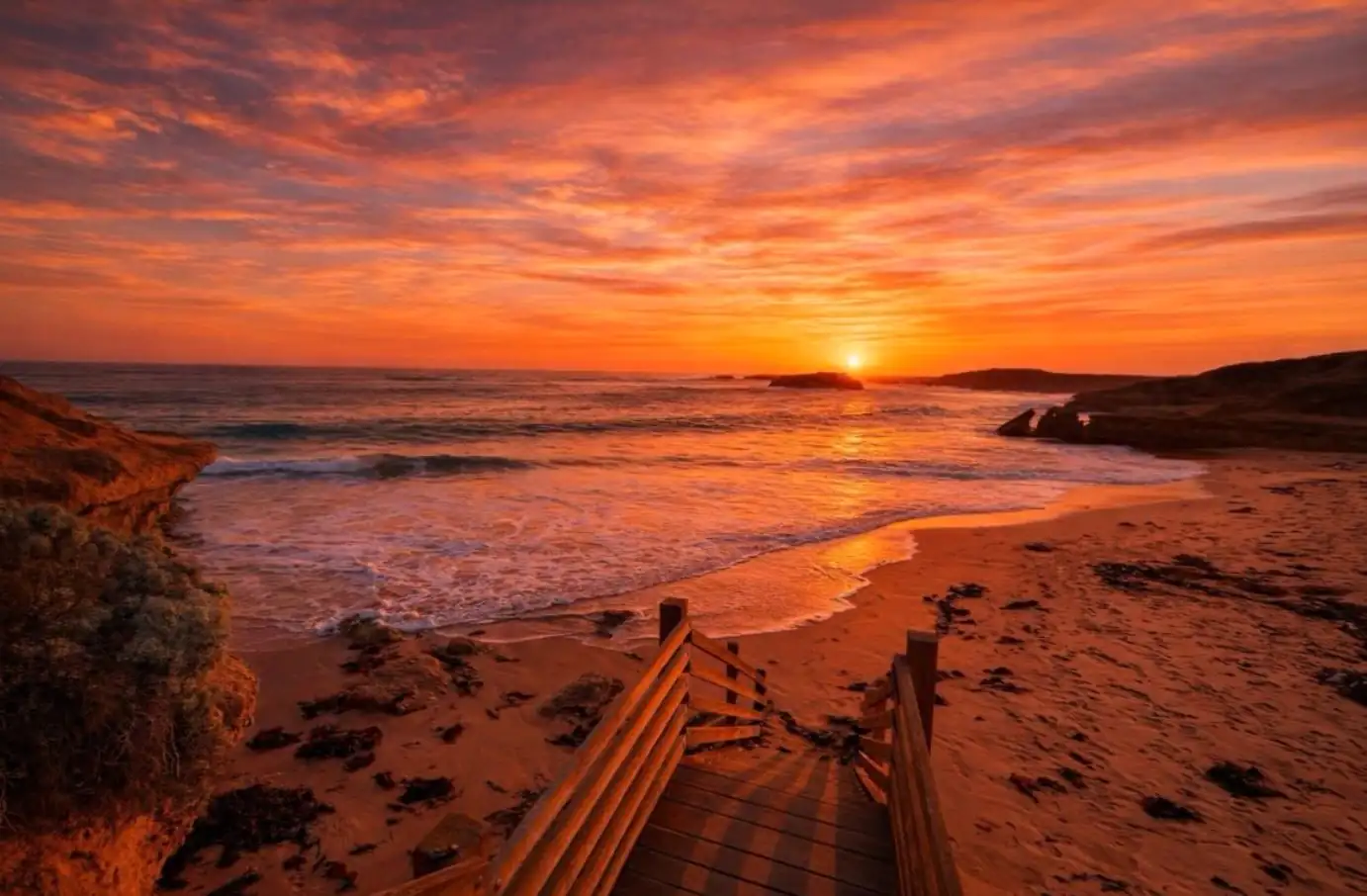
It’s not just luck that makes the sunsets here so good – it’s the geography. The cliffs at Port Campbell are angled perfectly to catch the last bit of direct sunlight, and the fact that the water is wide open means that it bounces that light right back up onto the rock face.
If you’re on a Melbourne to Great Ocean Road tour you’ll see why we tend to save the best for last – the earlier stops along the Surf Coast, places like Bells Beach or Memorial Arch, are great fun and have some decent views, but they’re just not going to give you the best sunset experience – the direction just isn’t right.
Where The Sunset Actually Delivers
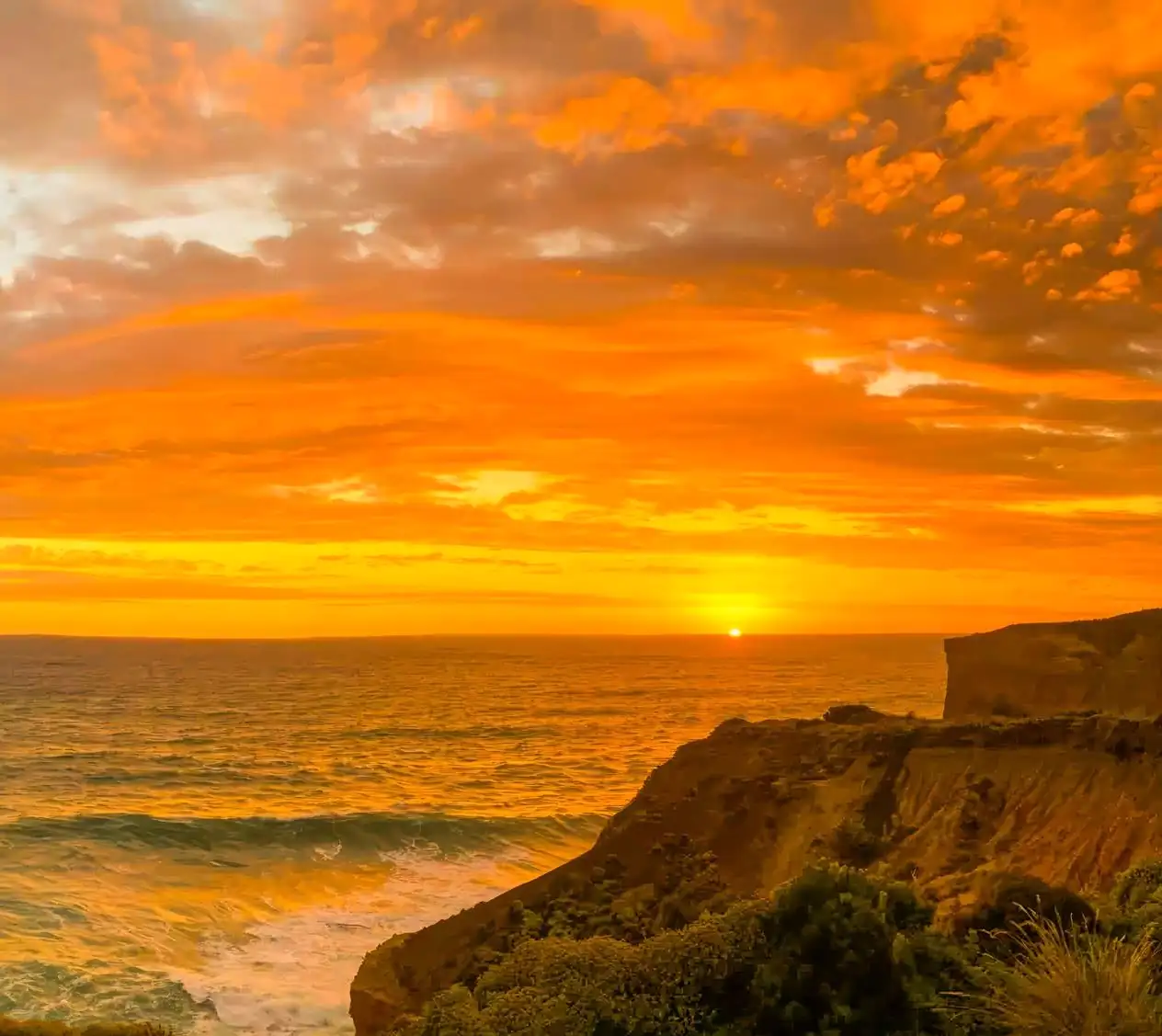
These are the places that consistently deliver sunsets that are more than just a pretty postcard.
Twelve Apostles – Still the Top Choice
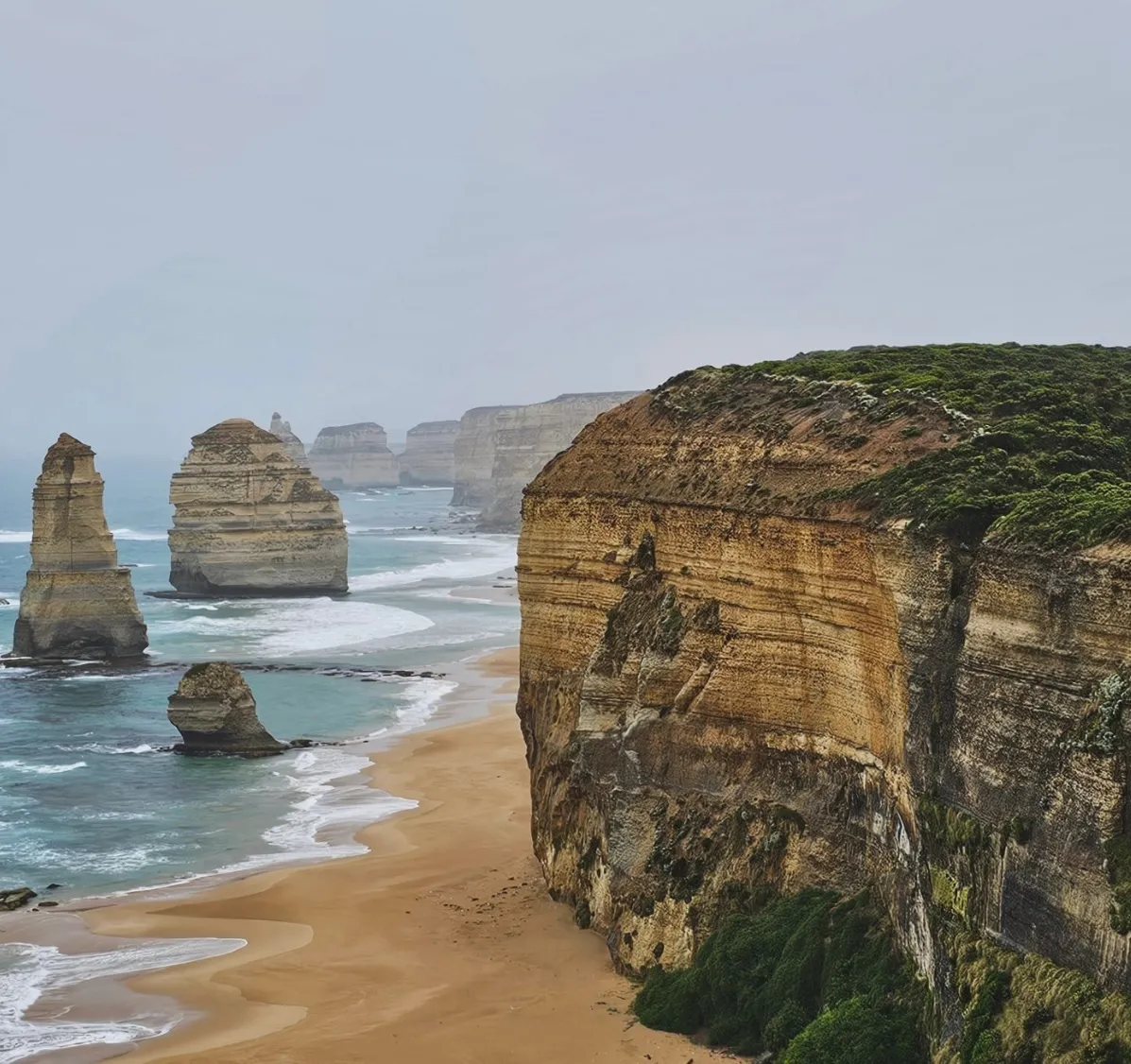
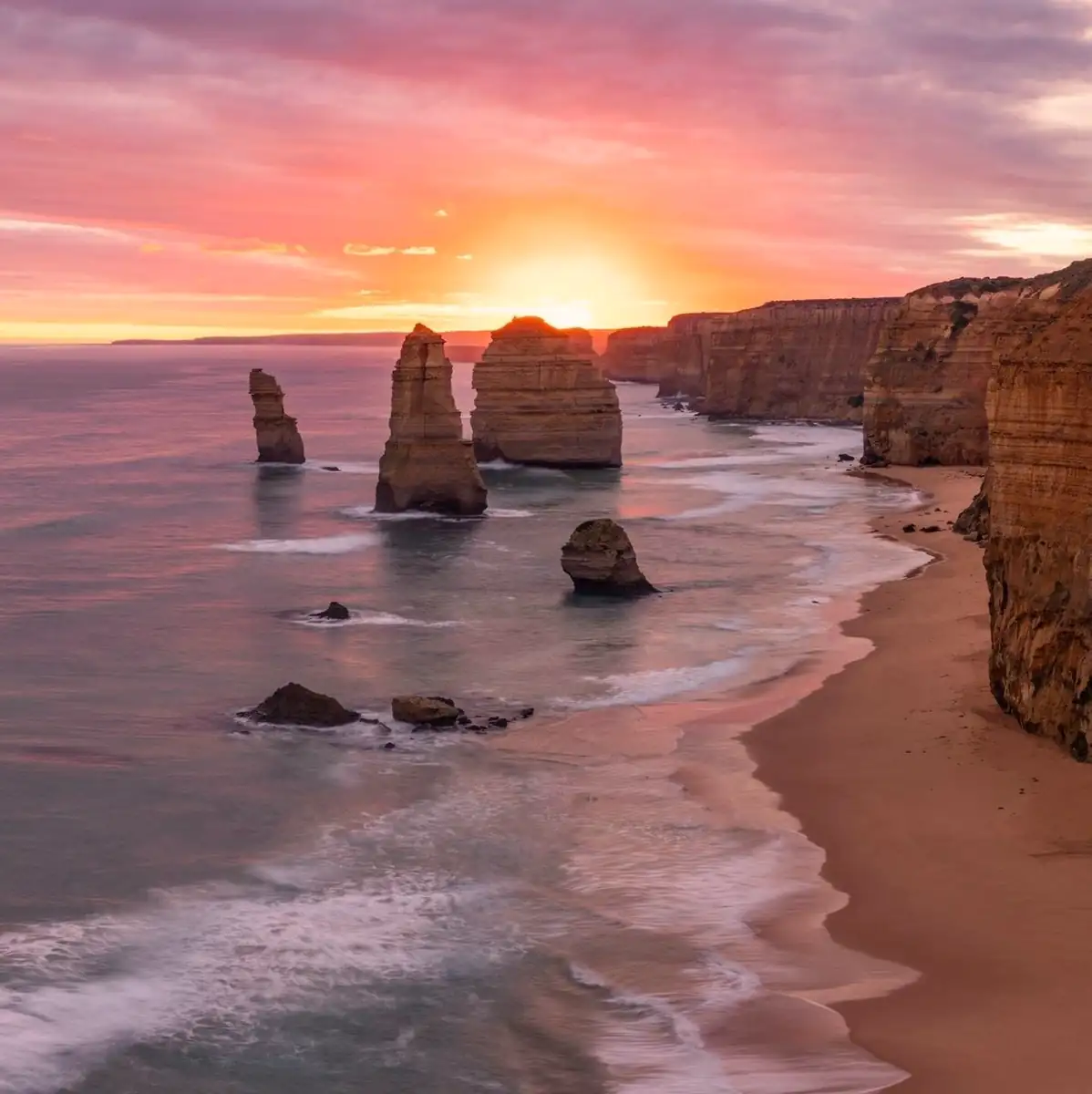
The Twelve Apostles are still the main event – and they’re well deserving of the hype.
The viewing platform puts you in the perfect spot to take in the limestone formations – including the famous Gog and Magog stacks. When the sun is setting, the colours build up slowly, peak at the best time just after sunset, and stick around just long enough for anyone trying to take long exposure shots to get their perfect moment.
If you’re stuck in a set Great Ocean Road itinerary, this is probably going to be the biggest highlight – but don’t expect to have this spot all to yourself.
Gibson Steps – A Whole New Angle
If you drop down the Gibson Steps, you’ll find yourself right at ocean level, with the fading light playing off towering cliffs.
It’s a lot more fun but also a bit more wild, and you’ll need to keep an eye on the tide – there’s a proper warning in place about high tides – and a bit more care on your footing. But if the conditions all line up, this is one of the most powerful sunset experiences along the coast -one that’s definitely worth the effort.
Loch Ard Gorge – Light That Catches The Eye
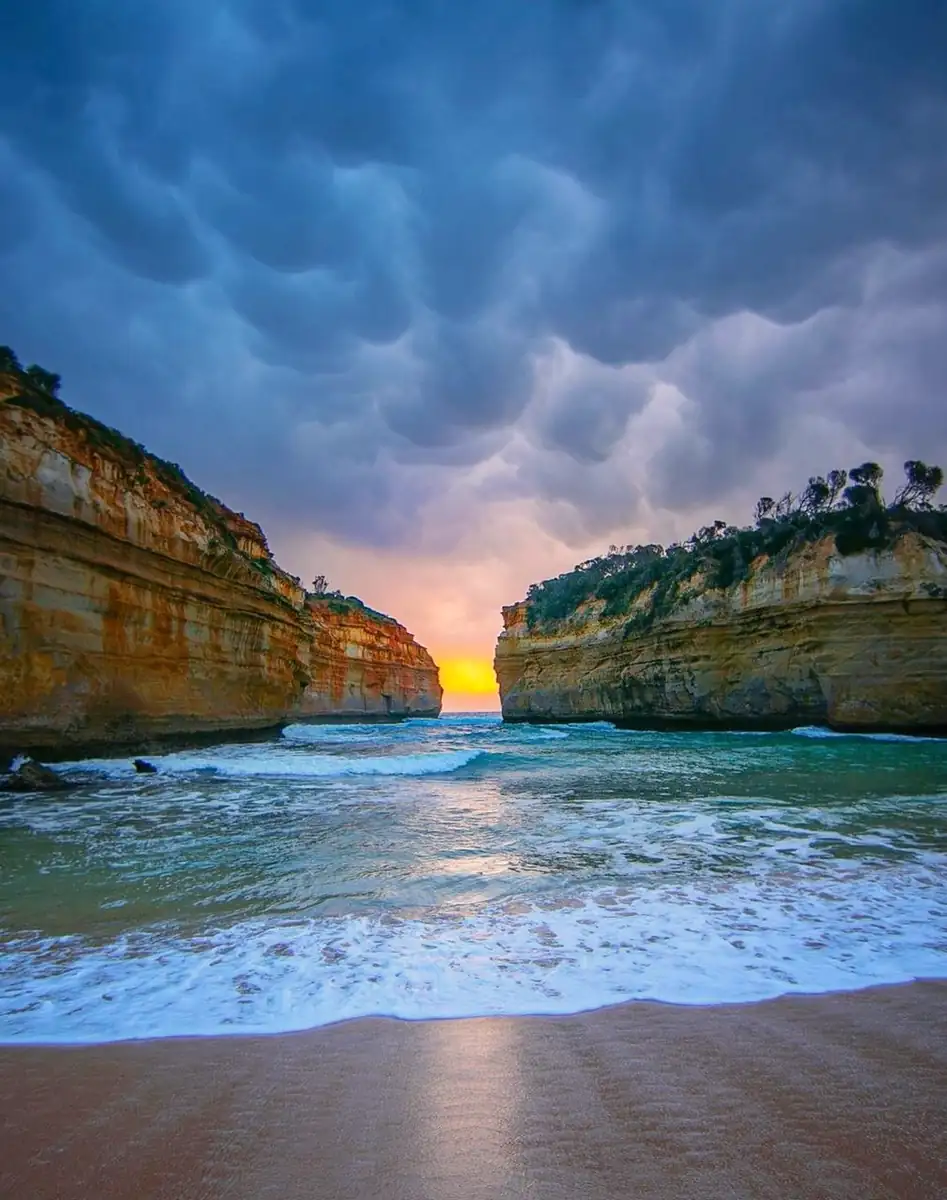
Loch Ard Gorge is a bit different – instead of a wide open horizon, you get cliffs that snuggle in and reflect any light.
It’s a pretty reliable fallback if the wind picks up, and if you’re driving through Port Campbell National Park as part of a quick Great Ocean Road trip, it’s a great option to have up your sleeve.
The Grotto & London Bridge – Sunsets Through Natural Frames
If you head a bit west from the usual hotspots, you’ll find The Grotto and London Bridge, where the sunset is framed by natural rock shapes, rather than a big open view.
These places are actually pretty good, a bit later in the evening when the crowds have thinned out. They often get overlooked on shorter trips, but they really shine on a more leisurely 3-day Great Ocean Road tour.
The Bay Of Islands – The Quiet Reward
If you keep driving beyond the places everyone else usually stops, you’ll get to The Bay Of Islands – where the coastline opens up again – but without the crowds.
You still get those amazing rock formations, but often all to yourself. If you’ve got a bit of extra time and have planned, it’s a simple addition to a longer Great Ocean Road trip.
Planning Your Route (Without Stuffing It Up)
| Section | Key Stops | Drive Notes | Sunset Value |
|---|---|---|---|
| Surf Coast | Memorial Arch, Lorne Pier, Bells Beach | Busy, winding | Low |
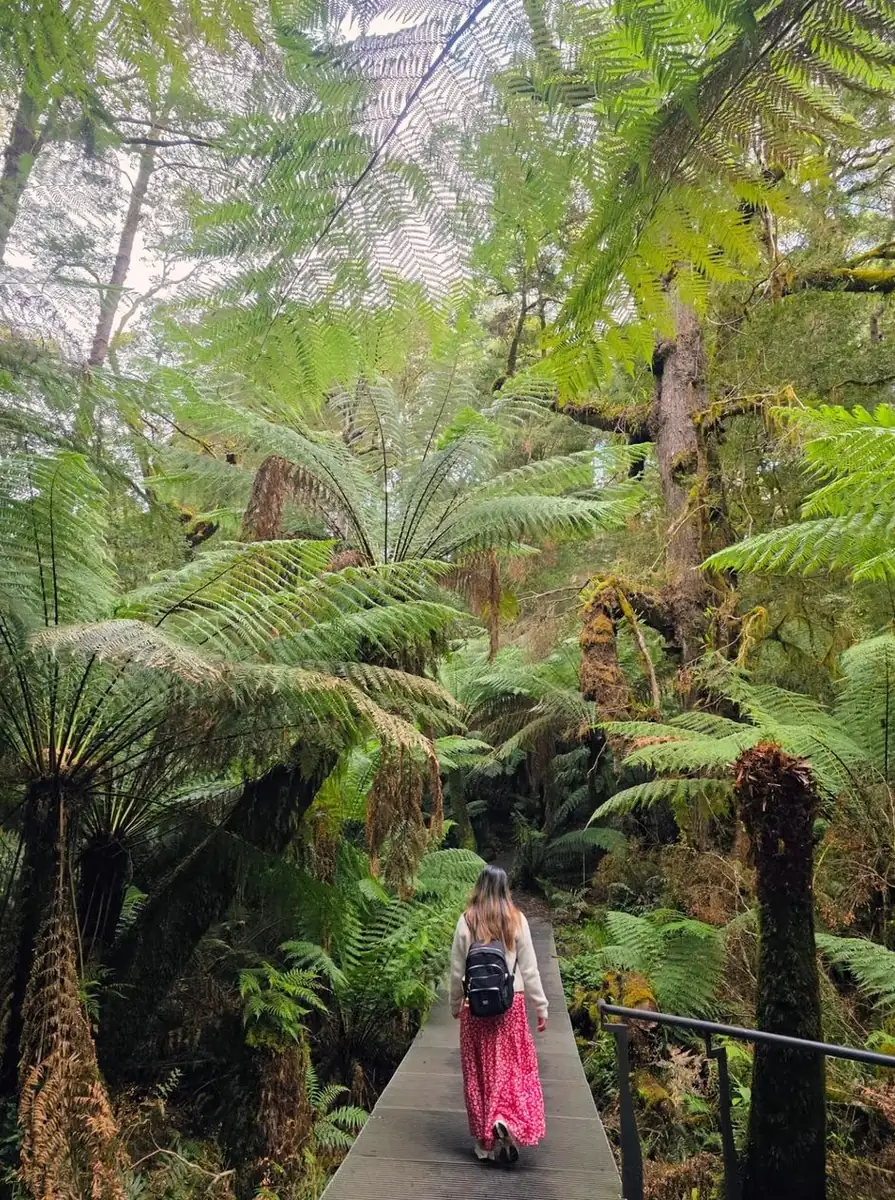
| Otways | Great Otway National Park, Cape Otway, Otway Fly Tree Top Walk, Hopetoun Falls, Sheoak Falls | Forest roads | Moderate |
| Shipwreck Coast | 12 Apostles, Gibson Steps, Loch Ard Gorge, London Bridge, The Grotto | Open coastal | High |
| Far West | Bay Of Islands, Bridgewater Bay, Port Fairy, Cape Nelson Lighthouse | Quiet, long stretches | Very high |
Timing It Right (This Matters More Than The Location)
Whether you’re self-driving or joining a guided tour like Autopia Tours, timing is key.
- Summer: sunsets around 8:30–9:00 pm, a great time to stop for a view.
- Winter: the sun dips below the horizon much earlier, around 5:00–5:30 pm.
The golden rule
Get to your chosen spot at least an hour before the sun goes down. The colours are always best once it’s dipped below the horizon.
What To Do Earlier In The Day
Most people start their Great Ocean Road trip from Melbourne and just cruise along the coast.
Early Stops That Are Worth The Visit
- Teddy’s Lookout and Marriner’s Lookout – perfect for getting your bearings.
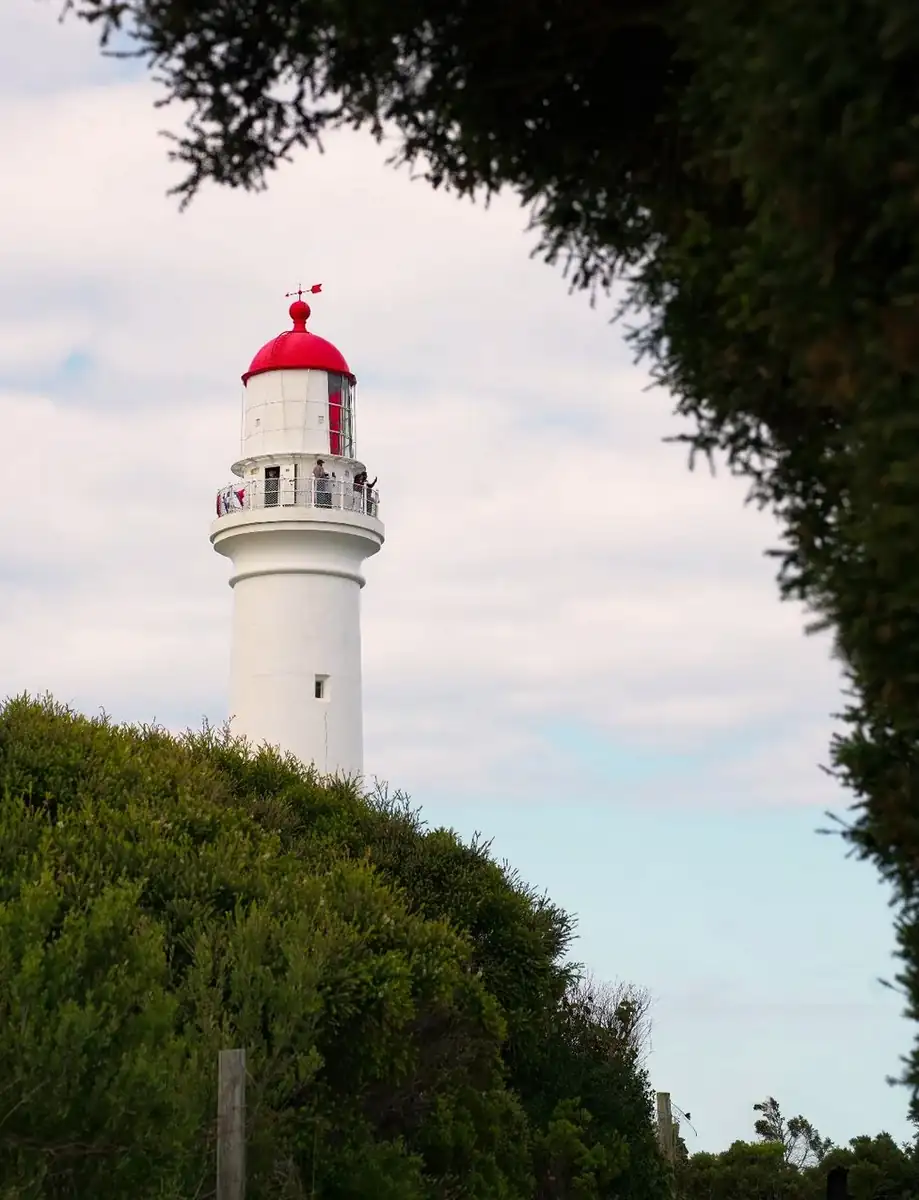
- Split Point Lighthouse – take a break and have a look.
- Lorne Hotel Rooftop is a great place to stop and grab a coffee.
Through The Otways
- Great Otway National Park and Otway National Park – so many scenic spots.
- Californian Redwoods, Johanna Beach, Cape Otway Lightstation – take your time, you’ve got the day ahead of you.
These bits of the journey are perfect if you’re on a 2 or 3-day Great Ocean Road tour and you’ve got all day to play.
Practical Travel Tips (From Experience)
These little things make all the difference when you’re on the road.
Driving Reality
- Melbourne to Apollo Bay is only about 3 hours, but add a few stops, and you’re looking at 7-8 hours.
- Melbourne to Port Campbell is 4.5-5 hours without stopping – but trust me, you’ll want to stop.
- With a few stops along the way, you can easily spend the whole day driving.
What To Bring
- A jacket – the wind coming off the Southern Ocean is no joke.
- A tripod for taking long-exposure shots.
- Don’t forget to bring some snacks – once you get past Apollo Bay Beachkey. They get a bit thin on the ground.
Watch Out For
- Wildlife after dark – keep an eye out
- Narrow roads – take it steady
- Limited lighting – be careful where you’re walking
If You Only Have One Day
Forget trying to see everything, focus on a few key spots and get the timing right.
Get an early start, stop off for a few quick views through the Otway Ranges, and then focus on Port Campbell National Park for sunset.
If you’ve only got one day, a guided tour with Autopia Tours can take the stress out of navigating the timings for you.
Final Takeaway: Go Further, Stay Longer, Watch Properly
If you want to see the best sunset on the Great Ocean Road, don’t rush it. Take your time, pick a good spot, and give yourself time to actually watch the light change.
That’s when it all comes together, and that’s what makes the Great Ocean Road so worth coming back to.
FAQ
Is the Twelve Apostles the only worthwhile stop?
No – it’s the most famous, but places like Bay of Islands are just as good, just less crowded.
Do the coastal towns work well for sunset in the early stages of the trip?
No – places around Lorne or the Surf Coast Walk don’t get the sunset right.
Is it better to stay overnight?
Yes – seeing the sunset followed by a sunrise is a really special experience.
What if the weather isn’t perfect?
Don’t worry, a bit of cloud can actually improve the colours – it’s only heavy fog that will dull the effect.
Can you do the whole thing in one day?
You can, but it’s a bit of a squeeze. A 2 or 3-day Great Ocean Road tour gives you a lot more flexibility.